Next up in the Quick Hit ingredient Profile series is one of the most stylistically versatile, and probably my most favorite or at least most used grains….
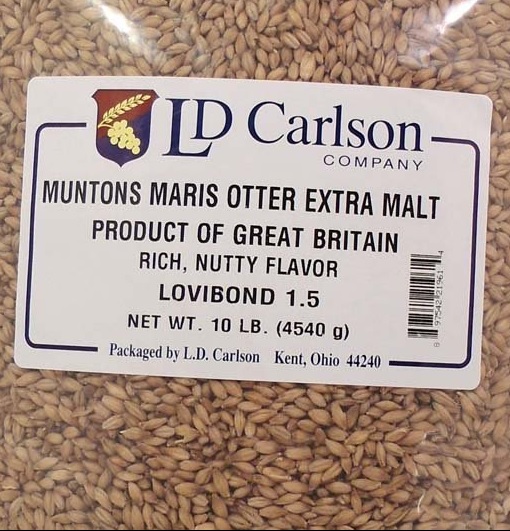
Maris Otter – A lower protein, 2 row barley that is widely considered to be one of the main base malts out there to get that “UK” British malty profile.
For the briefest of histories, Maris Otter became available around 1966. A cross between already two existing barley strains, Proctor and Pioneer.
Maris became world wide famous, fell out of favor, had its rights sold, nearly written out of existence, had a second resurgence into a major commodity brewing grain once again.. all in the span of about 50 years.
Definitely an interesting and very detailed history here, but that’s beyond what this profile is going to be about.
So, confusingly, we call Maris Otter is really a pale malt made from the Maris Otter grain. One of the few grains named for the actual grain not the process of finishing it. So Maris Otter could have been, and has, used to make crystal malts or caramalts, or any other brewing grain. But when someone says “I used Maris Otter” today..you can be pretty sure they are talking about the Pale base malt.
Maris is known for its deeper malt and nutty, sometimes earthy or even slightly toffy-like flavors. These flavors are not big and bold as like what specialty malts would provide, but are subtle and background notes at best.
There are subtle taste and performance differences between the maltsters that produce Maris Otter pale malt. So keep in mind that Bairds, Fawcett, Muntons, Simpsons (on and on) all make a Maris Otter Pale base malt that will all have slightly different profiles, while staying somewhat similar.
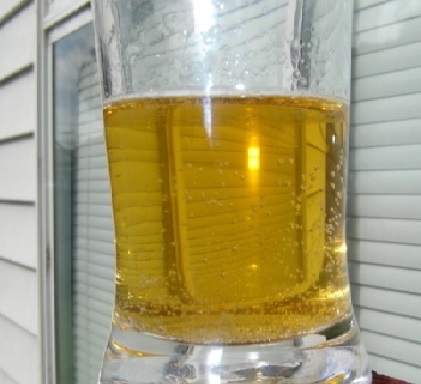
Colorwize, it’s in the range of 1.5-4 Lovibond, (but there are darker versions out there) so it does produce a slightly darker wort. Slightly is the key word here, so don’t expect amber wort.
Is not really considered an under modified grain, but it is at the low end of enough diastatic power. Coming in at 40-60 Linter, it can convert itself and have no problems with 100% grain bills or single infusion mashes, but do keep that low number in mind if using larger amounts of low or no powered grains and/or adjuncts.
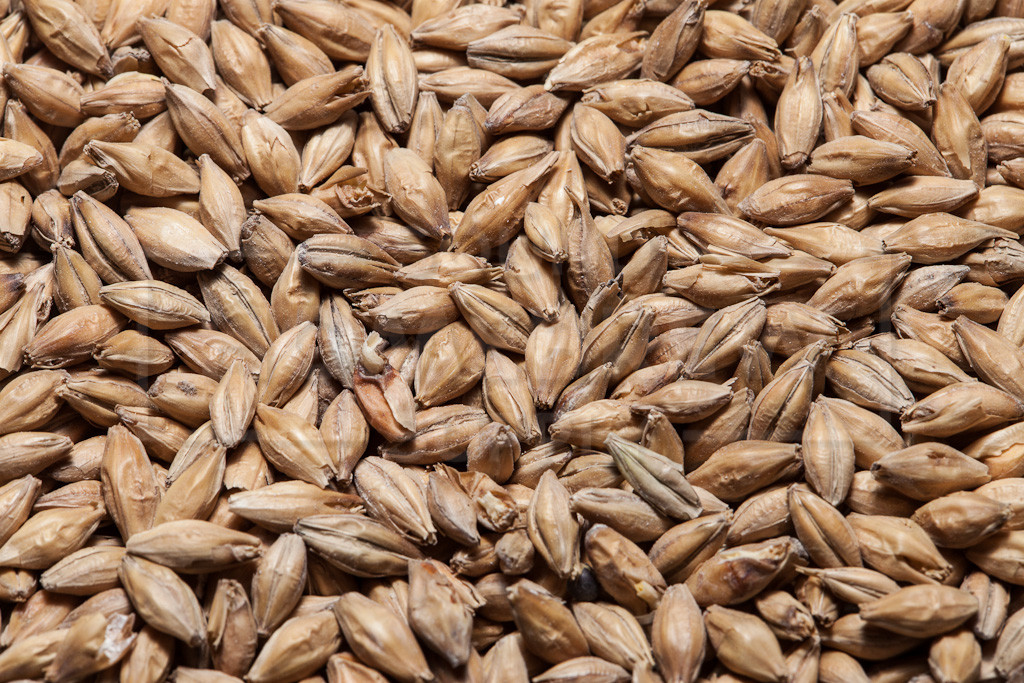
Because of the higher or darker kilning, Maris tends to not attenuate quite as far as the majority of other 2 row base malts, so beers can feel somewhat sweeter or a little more body. This varies, as it is with all grain styles and brands, between the different maltsters or versions. And again, these changes are very subtle, if even noticeable at all.
So that’s a bit of the technical and profile aspects of Maris Otter 2 row pale malt. Now,how do we use this in our beers?
Since this grain is a “base malt” it can, and probably has, been used in every style of beer by both homebrewers and commercial breweries. Sure British, Irish and even Scottish styles make heavy use of Maris Otter in various amounts, but it really can be used in any beer where a little more malt backbone or just an extra layer of flavor is needed.
To get a grasp on what a profile Maris Otter really has, give this Smash beer a shot. The hops and yeast in this one are taking a backseat to let the grains show what they have. Mash this around 152 and this makes a fantastic summer beer.
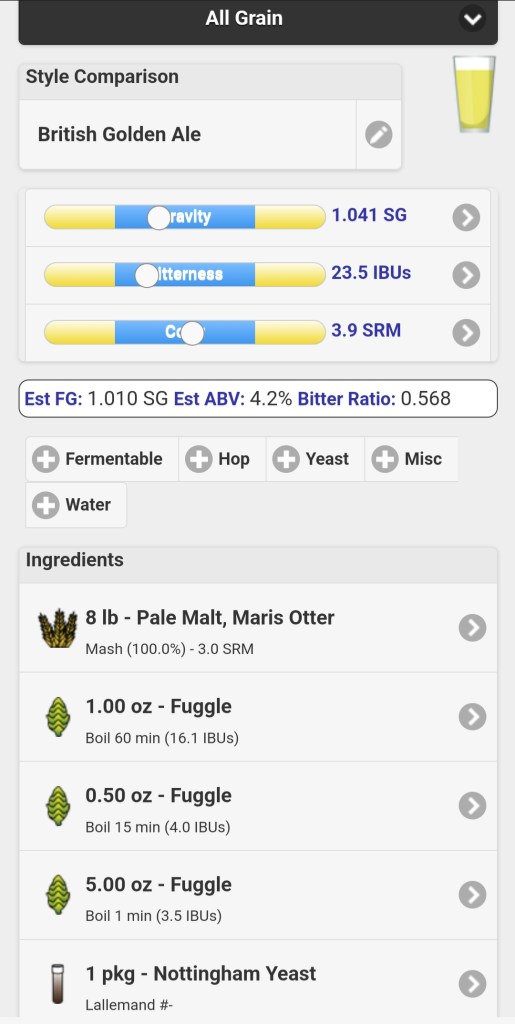
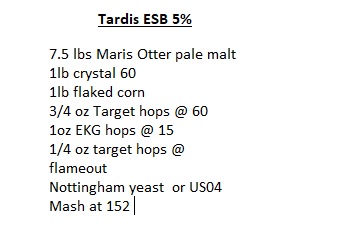
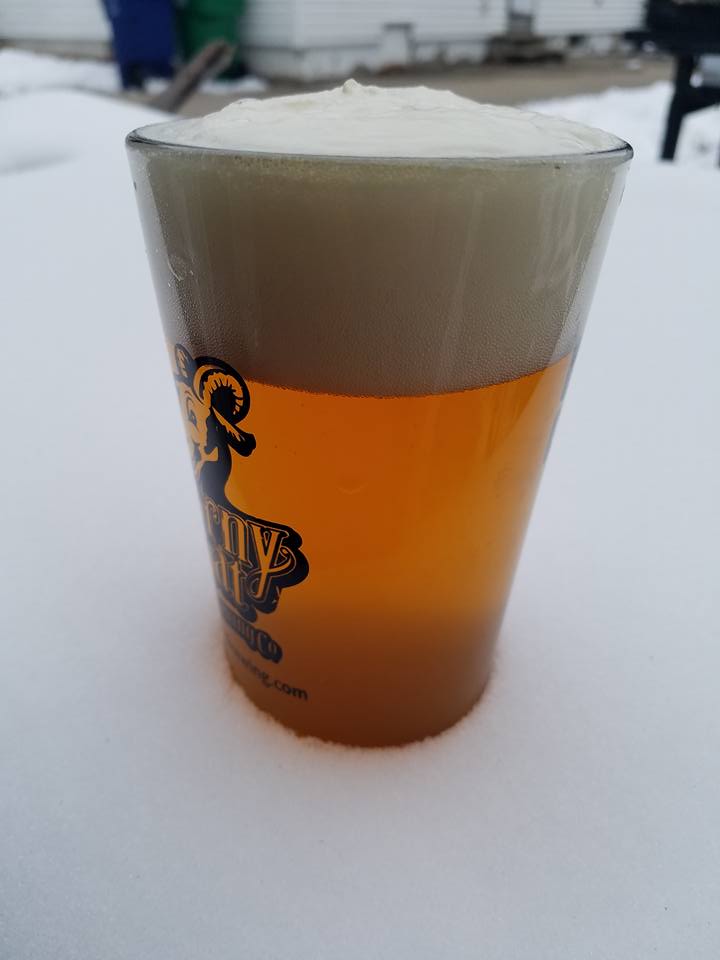
After you get the feel for what it can do, get back in there with a classic Maris Otter Bitter.
Hey.. I got some of my info from…
The Oxford Companion to Beer
Maris Otter Malt (brew-engine.com)
Maris Otter: The Legendary British Malt – Kegerator.com
Finest Maris Otter Ale Malt | Crisp Malt | Heritage Brewers Malt
 9stripe Brewing