Idaho 7 and it’s Aroma

Was able to get a couple brews in this past week. Which was some good timing because we are getting low on beer around here, and we have a few events coming up.

The first brew was the first of a series of beers I have planned for the club. There are so many new hops coming out, I want to get some profiles for them. So a simple smash beer is perfect for this.
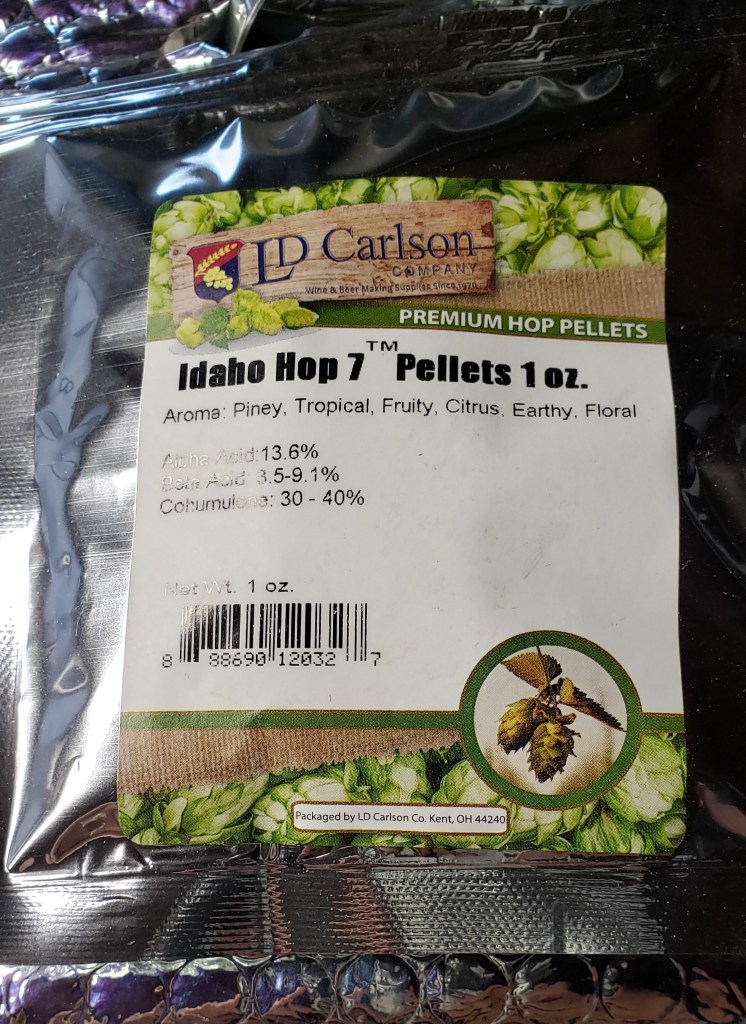
Idaho 7 was the first hop I chose. As you can see by the description it a fairly bitter hop, with piney, fruity, citrusy, floral aromas.

Went with 8lb of 2 row for the malt and Muntons premium Gold yeast with a standard 152F mash.

I don’t know who wrote the description with the citrusy floral fruity aromas.. because I got nothing like that in the boil. They reminded me of Saaz or Goldings. The inhabitants up stairs described the smell as carrots and feet.

But we will see what fermentation does to them. They could still very well be what is described. At least I hope so!

Either way it shouldn’t be over powering, as because of the high alpha I went with only a 1/2oz for bittering and the other 1/2oz at the last 5 minutes

The wort going into the fermenter was 1.040 and did not taste like feet.

This will be kegged next week, and be tasted the first week of February. So expect some feed back around then
Idaho 7 hop test

2019 year end.

As usual, here is my year in review post. And we did more stuff than I thought we were going to.

The year started off as usual by getting  the contest brews going. The usual Stouts and Milds, nothing really new or unusual here.

One of those contest beers did pretty good and we got to ramp it up at CopperState Brewing. It was a great time. Got to see first hand that professional breweries and us homebrewers are very close in procedures and techniques other than volumes. I’m pretty sure any homebrewer could jump in and brew just fine on the big systems. But it also solidified my not wanting to do it for a living.

A lot of new things in the brewery this year. Like Kveik yeast. I had to try what I thought was just going to be a fad, but this yeast was everything I heard it was. Hot fermenting, but clean. This has to be the biggest surprise of the year down here. We already have plans to use this quite a bit more this summer, and get some hard sensory profiles for the different strains.

While we have never had any water problems before, and always did carbon filtering, we decided to give one of our German Alt beers a specific water profile. We picked out a more Germanic of water. The beer came out fantastic, and while I could certainly feel the difference different water chemistry did. I’m not sure it was “better”. But different for sure. We are gonna play around a bit more with different Styles of beer and localised water profiles.

We also realised that we have been ignoring one of our favorite styles, the American Wheat. We did make a couple this year, but they never stuck around too long because they were fantastic. I want to focus a bit more on the American Wheat again, just because I like them.

But if you havent noticed already from our last several brews, we have started to produce more SmasH beers. Beers that use a Single malt and single hop variety.These SmasH beers are the perfect way to find out what a grain or hop has to offer. And with there being so many new hops and grains out there now, the combinations are endless. There will be more of these coming out soon.
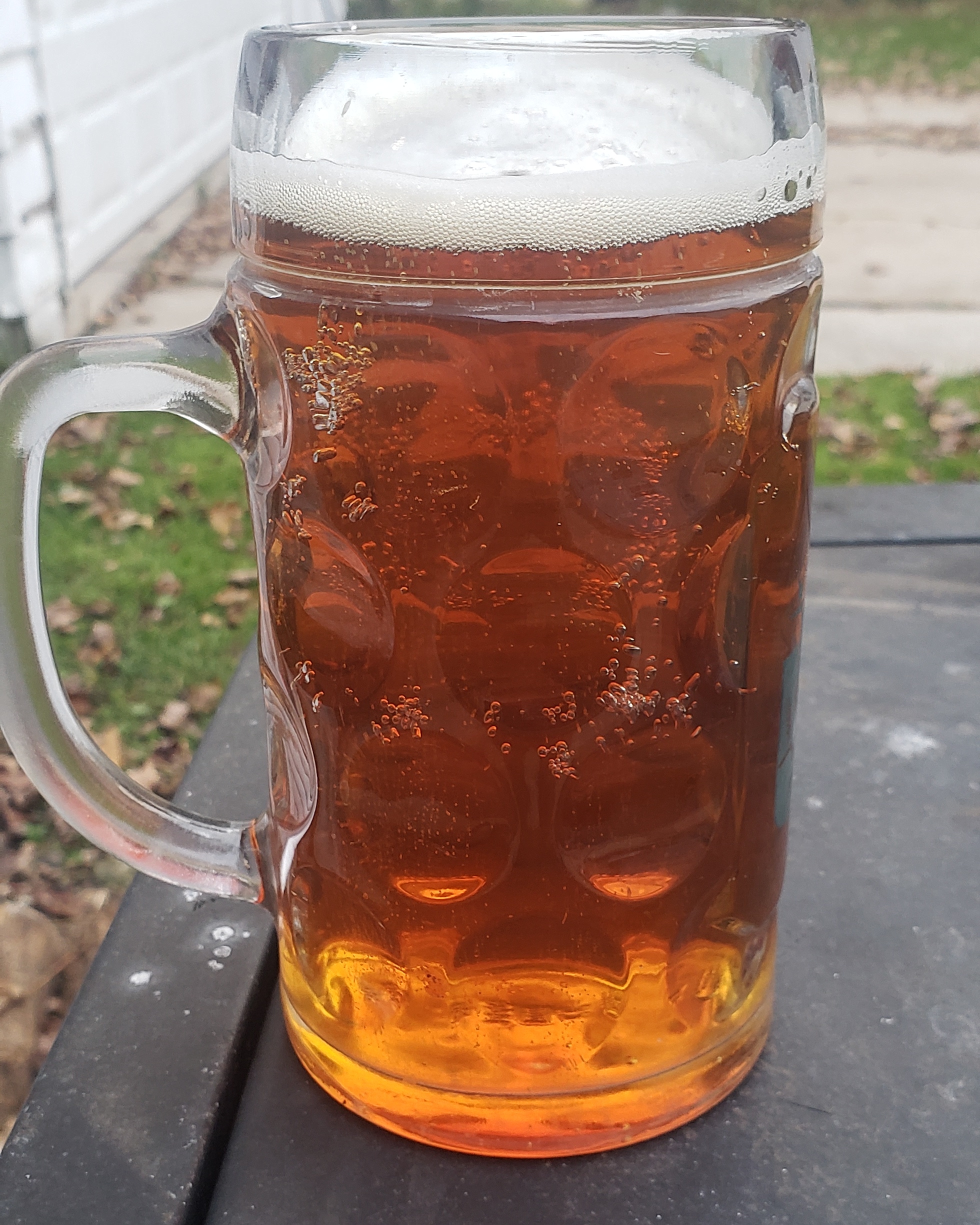
2019 was bit of everything it seems. Trying new things, going back to old beers. And it was quite a fun time, but sporadic.

Looking ahead to 2020, we already have some sort of plan forming. The SmasH brewing is high on the list of things we are going to focus on. And I plan to be posting more informational and editorial posts to try and keep the sites more active.
Stay tuned for more!

Time for Partigyle

I have completely forgotten that for one of the up coming contests, the special category is Partigyle. Where two (or more) beers are made from the same mash. Traditionally a strong first beer then progressively weaker beers.

Way back in beer history, and as it still is now, making high gravity beer was not easy to do. Today homebrewers can dump loads of extract to push gravities. But centuries ago the easiest method was to use large amounts of grain and use only the first and usually undiluted runnings.

While this did make strong or even very strong beers, the left over mash still contained useable sugars. Instead of wasting the substantial amount of grains/sugars, that mash was sparged again to get a weaker gravity wort for a second and possibly a third beer.

Us homebrewers generally do the exact same thing for partigyle. Big mash for a barleywine, dopplebock, tripel or other big beer. Then refill the run and sparge out a mild, dunkle or pilsner  out of whats left.

For this contest we will need to bring both beers, (the big and smaller gravity) and will be judged together. Quite a difficult thing to do really.
Making the seperate beers is easy, its timing them right. We are about 4 months out from judging. Getting a huge beer mellowed out by then could be tricky,, and keeping a light beer at peak could also be challenging, as flavors and aromas begin to fade.

I think I will be going something around a British strong ale, maybe nudge into barleywine range.. then a bitter.   Gonna havta start running those numbers and get this going this week.

So look for those updates.