Keg Filler

I have some brewing to do this weekend. I am quickly running out of all beer. All my kegs are down to probably a gallon or less. I decided by the wheel of fate, which beer I’m gonna brew.
Keg Filler Blonde.

A new brew. Just one that I made up in order to get something in the keg and up and running very quickly. But at the same time.. Be somewhat to style.

There are a lot of different opinions of what a Blonde ale is supposed to be. I for one don’t look at one as the lightest beer out there.
When I think of a Blonde ale I think of a lighter colored beer that’s average alcohol, but has a definite malt, hop and yeast profile. Somewhere between a light lager and a pale ale.

So to get there. I went with

Keg Filler
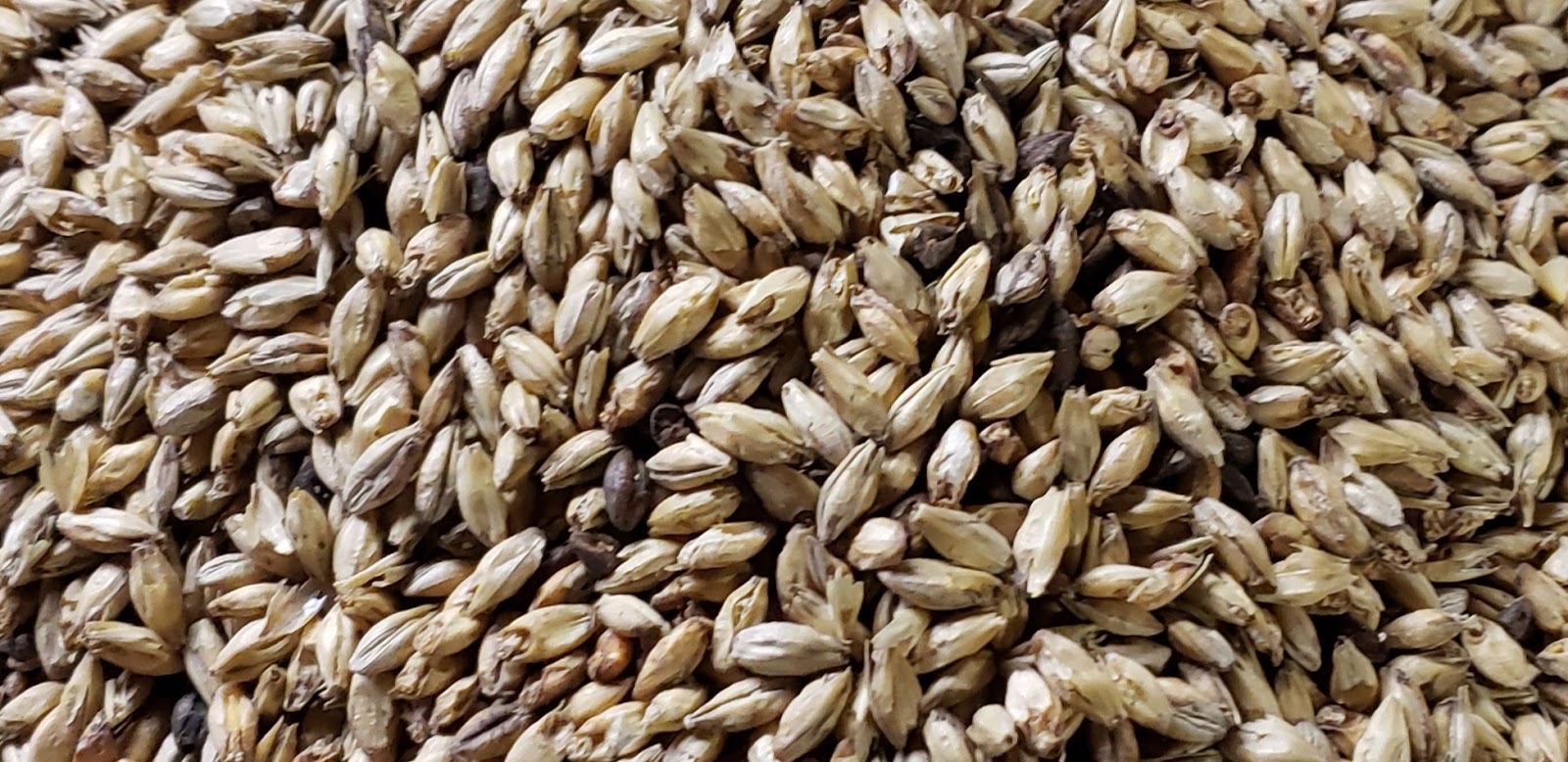
-8 lbs 2row for the base grain
-1 lbs Munich to get a little malt backbone
-½ oz citra @ 60- this should give it enough bittering but stay short of bitter
-½ oz Citra @10- for hop taste, yet be enough in the nose to be noticed
-Nottingham Yeast- extremely light esters and keeps it from being dry.

I’m gonna mash this at 154 because there is nothing but base malts and want to keep some of that body.
There should be nothing fancy or standoutish for this beer. And that is the point of this one. Just a quick solid Keg Filler beer.

Next up…
Something for these red currants I have.

Kveik update

A bit of a follow up on the Kveik Munich brew from last week.
I decided to give the very popular Kveik type yeast a try. Being touted as the next game changing thing in both home and commercial brewing.
Quick turn around and wide temperature range going upwards of 100F make these yeasts very popular right now.
With dozens of varieties out on the market now and many more waiting to be released, you will probably be overloaded with Kveik talk and beers very soon.
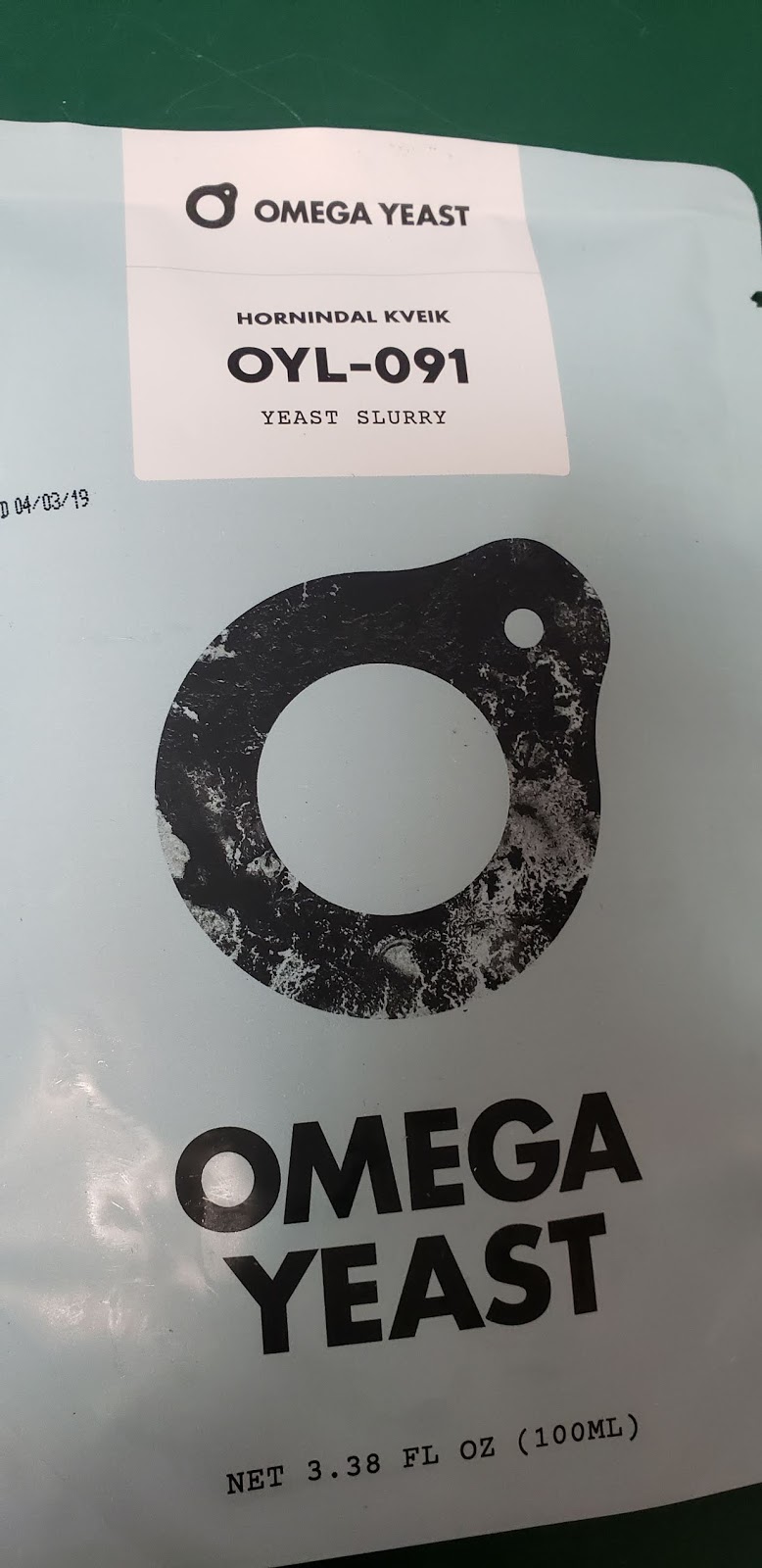
I chose the OLY-091 Hornindal yeast by Omega. I figured because my garage hovers in the 85-95 degree range it would be perfect. 
We infact had near perfect conditions for this brew. But I did not attempt to regulate those temps. Just what ever the garage did, that’s what it got, so we did have a substantial swing. But I already knew that going in.
I took readings twice a day for 4 days. Once in the morning before work and once in the heat of the afternoon after work.
Day 1 pitch 11:00am- 85
Day 1 6pm- 92
Day 2 8am- 81
Day2 6pm -89
Day 3 6am 80
Day 3 5pm 87
Day 4 6am 75
Day 4 6pm 86
Pretty much a 10 degree swing every day. But it never seemed to affect the fermentation,, at least visually.
One other perk to these yeasts is the quick pitch to keg time. While I was expecting it to be much faster (and it might have been with more stable temps) it was kegged in 7 days. That for me is completely unheard of as I rarely even look at the beer until 3 weeks.
We went from 1052 to 1008ish. So it did what was expected numberwize anyway.
And while the carboy looked like mud, this particular carboy always collects crud like this every brew. But the beer went from fairly active ferment to dropping clear with a compact yeast cake over night. I did let is sit for an extra day.
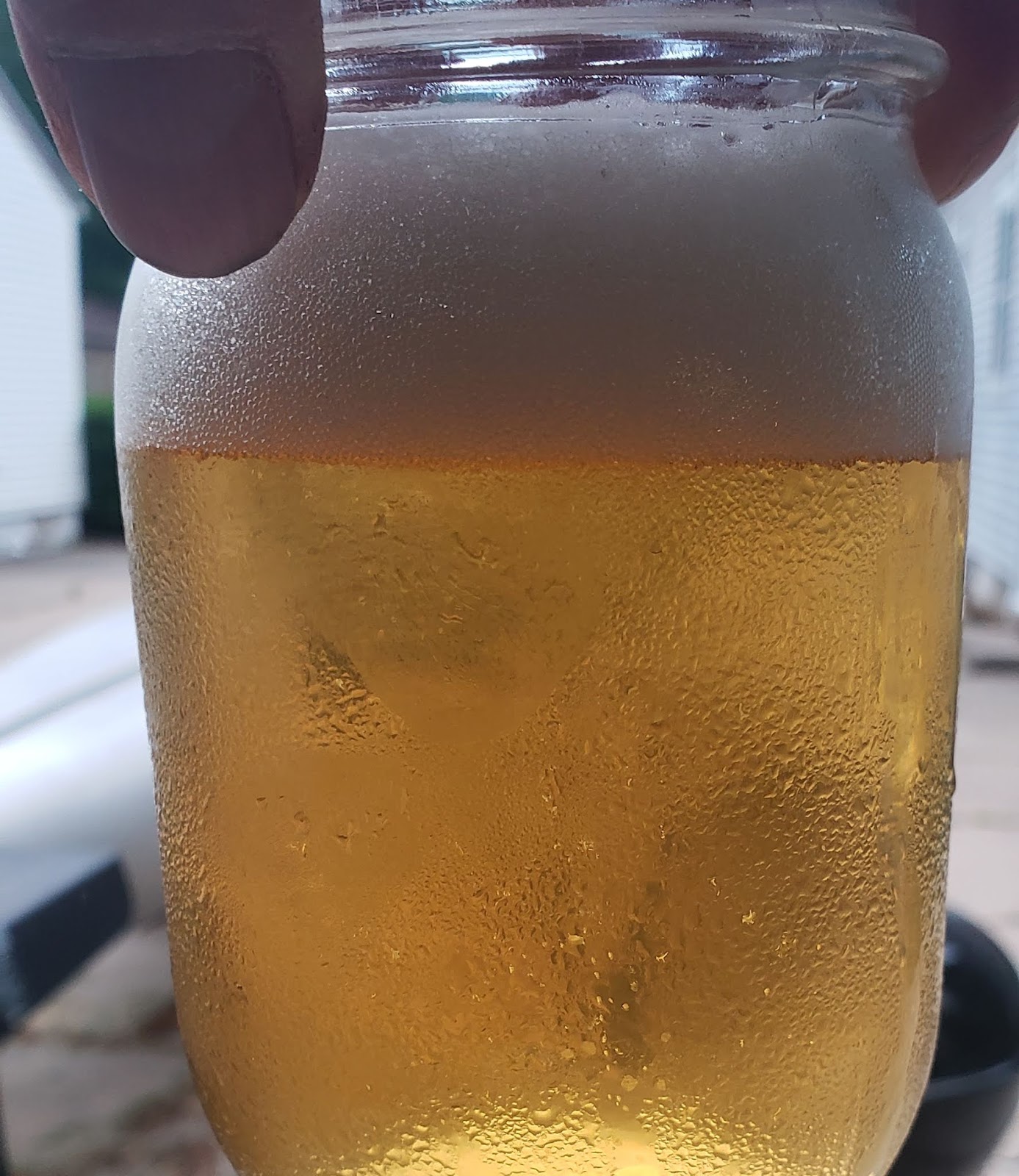
So far everything is great.. but how does it taste? It’s kinda hard to get a good description of it in this beer. It’s so clean and neutral that it’s not standing out enough. But there is a orange zest thing going on that I’m not sure is the Magnum hops. No fusel, no jet fuel.. just a  good clean maybe slightly citrusy profile.
I am already looking at the next recipe for this yeast.. maybe something a bit lighter to let it stand out a bit more.

Almost Hop Time

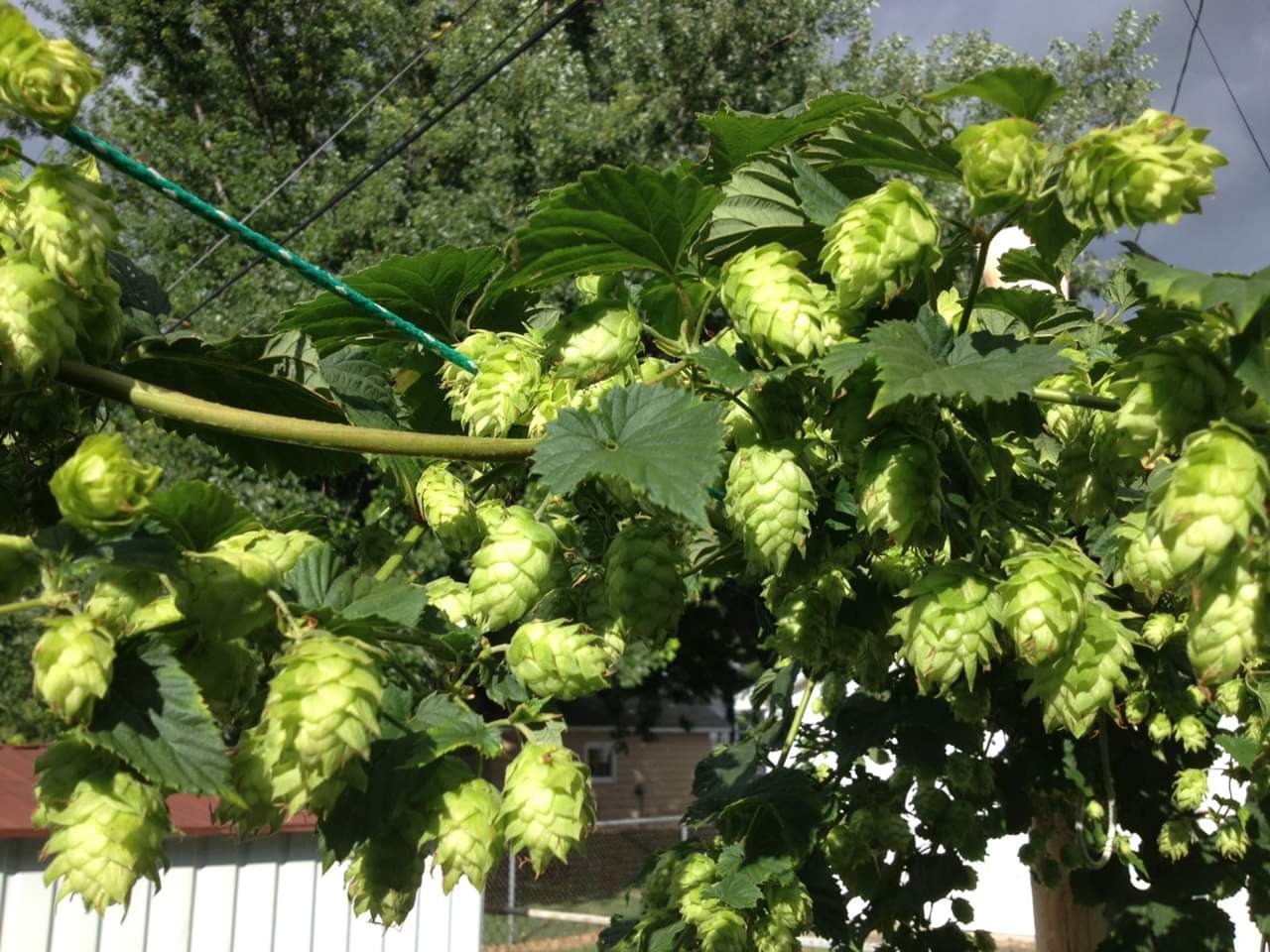
Everywhere around here the hops are starting to look like they are almost ready to go.

That means people who just started with them are probably wondering what to do with them.

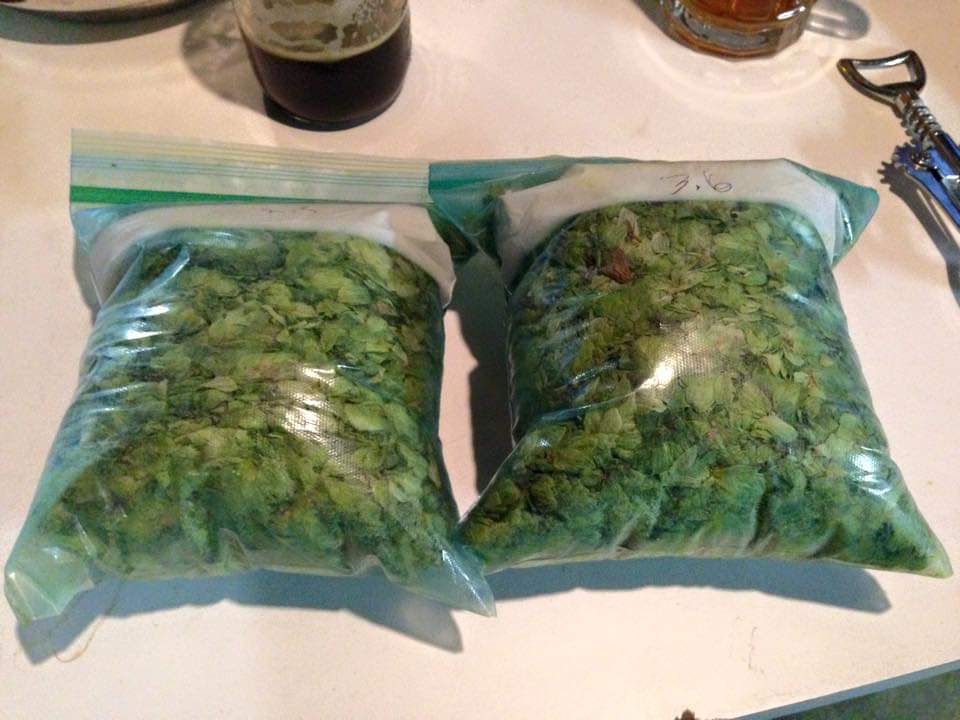
Other than fresh hopping,,or using the hops soon after picking,, you will need a way to store them. And I’m not gonna lie.. it’s very labor intensive on our scale.

First thing though is to make sure they are ready to be picked. 

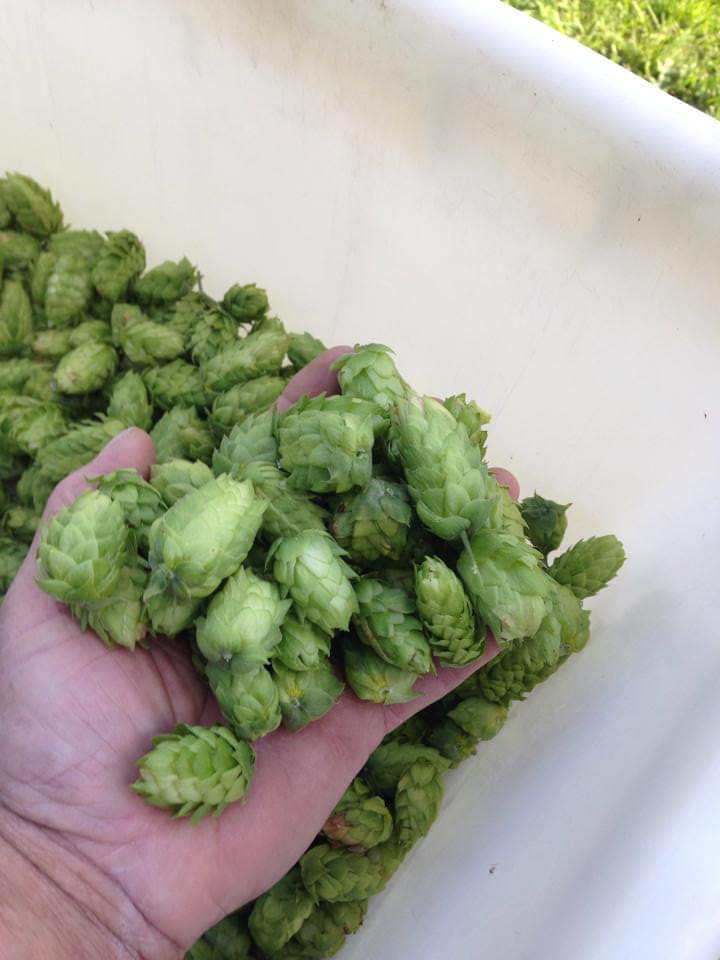
Alot of people pick them waaay to early. If they are still that very light green and the inner parts of the cone are white, they are not ready.
What you want is for them to be that darker green nearly all the way through and the yellow lupalin sacks starting to dry slightly. 

Even yellow edges of the hops ain’t too bad.. but should be getting to them as soon as possible by then.

Child labor does help quite a bit here during the speed round of picking.
Once picked you can use them as is right now for fresh hopped beer. Use them at the end of the boil to get the most aromas and taste out of them.
Saving them.
You cannot just put them in a bag and freeze them. Hops are nearly all water, so when you thaw that bag of hops, all your gonna find is a bag of snot and all your time has been wasted.

You need to dry them. Techniques on drying hops could be a week long series.. but for now, if your new to it, one of the best ways to dry them is just lay them out in a single layer on a screen or cloth and put them in a warmer garage with fans blowing over them to keep the air flowing.
Air movement and single layer is key. Even just keeping a bunch of them in a paper bag over night will let them start to compost and cook themselves. You dont want that.
Now you don’t wanna over dry them either or they will turn into dust when you touch them. Your looking for dry.. but not dried out. I think the standard is like 80% by weight. It’s hard to weight this stuff,,so I usually just eyeball it to where they still hold shape of come,, but are close to being crispy.

Now you can pack them in freezer bags and get them froze. They will last for a few months this way with out losing much punch.. but you probably would wanna use them sooner or later.
Either way you use them you want to use the brewing mesh bags.  

These keep the full cone leaflets from clogging syphons or drain valves, plus far easier to keep out of the fermenter.
A word of note when using your homegrown hops. As mentioned up there before, they are mostly water. So using fresh will generally add some volume to your batch. Hard to tell how much,, but keep that in mind.
And using the dried whole ones? They soak up ALOT of your wort. Be prepared. 

Hops are a lot of work,, but it is kind cool using your own homegrown ones. 
Keep notes on volumes and taste profiles because they do change alot year to year.
Remember, you can still get years of my old content at