That’s not how it works, Untappd

I seen this video from The Craft Beer Channel pop up today and gave it a look because I been using Untappd for a long time. I know some people love it and some people hate it. But if you look thru some of the crap,, it can be useful and fun.

click the video below

But what I watched more or less pissed me off for a lack of a better description. Especially since I rather enjoy this channel and was shocked to see what went down.

The premise of the video is how to get the best from Untappd. Alright.. I’m on board, but like I said, I’ve been using it for years and years and years. Not sure how I could be using it wrong, but let’s see.

Then almost immediately the host starts suggesting that giving low ratings of beers is bad and we shouldn’t be doing that.
What? There is a rating “system” but I’m not supposed to use it? Mmmokay.
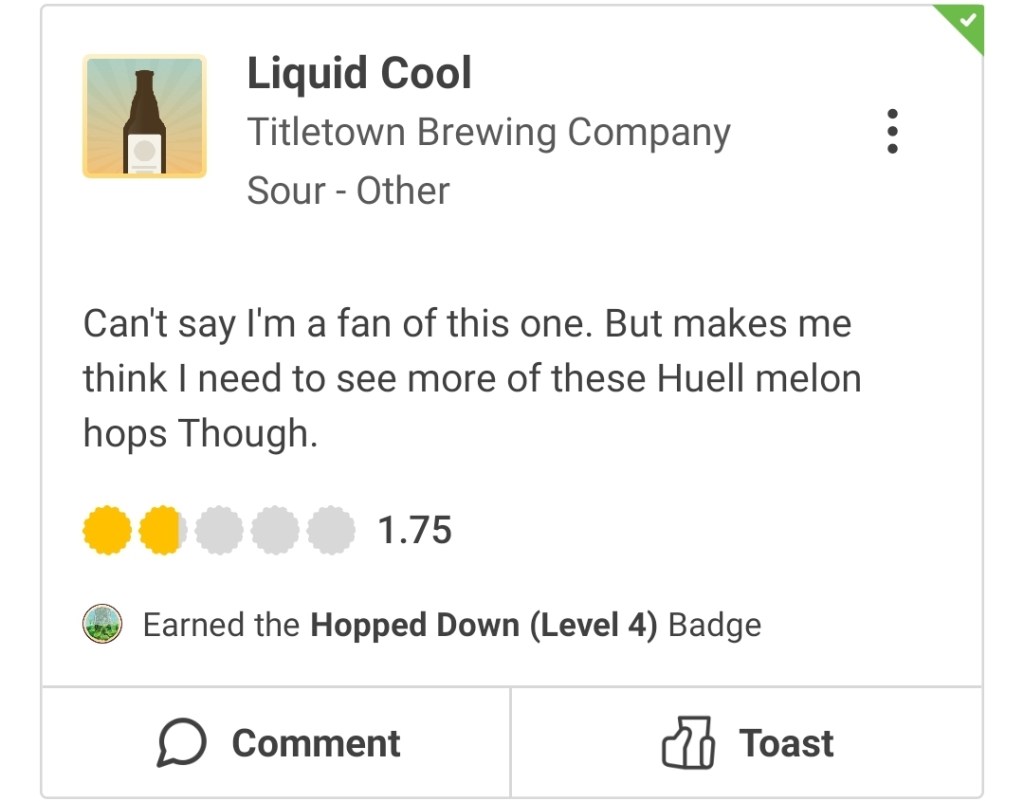
Apparently Untappd has 4 flaws he goes on.. and it’s me who needs to change and should change my ratings to help out beers and breweries to not fail. WTF am I watching here? No I absolutely am not doing that.

So what are these 4 flaws he says Untappd has??
-1: Big data can be bias.
I get where they are going here,, but it don’t make sense for them. Beers with lots of reviews can and do have lower ratings. That makes sense to me. Think bell curve.

His example is this “world class beer” that they absolutely love. but but the rating is only 3.4 out of 5. Immediately indicating that something is wrong with the system.

+7k or something people checked it in and that’s what the rating comes up as. To me that means some people like it, some people don’t and probably a bunch in between. Sounds a bit normal for just about anything.
But to these guys, because they like the beer so much,, everyone else is apparently wrong and their rating shouldn’t be counted or they shouldn’t be rating at all.

He even mentions that he gave beers higher ratings because the Brewery is famous and he must be the one in the wrong, not the brewery.
This is where I start losing it. There should be no free pass. A poor beer should absolutely get a poor rating. And better beers get better ratings. Notice I’m using ratings, not scores. (See next point)

2: Rate it by style
I’m not exactly sure where I stand on this point (and neither does he,, I’ll come back to that) because I’m not really judging a beer to BJCP specs here. But at the same time I kinda am.

It’s really two points here. Styles shouldn’t be rated against each other. That does make sense at first.. but in the end there is only one rating system here and all beer are using it. There is not too much you can do about that they way it sits.. but in the end you just need to put your rating on each beer you are drinking as fairly as you can. Not many people who use Untappd that I know of use the rating system to favor one style over another. Like give high score to stouts but only give low scores to blonde ales. If it’s good it gets good ratings regardless of the style.

Secondly, If brewery says this beer is a British Strong ale, but you get something thats a helles, but at the same time it tastes phenomenal do you score it bad because its not a British Strong Ale? No of course not. Because your rating how much you like the beer, not the placement or technical accuracy.
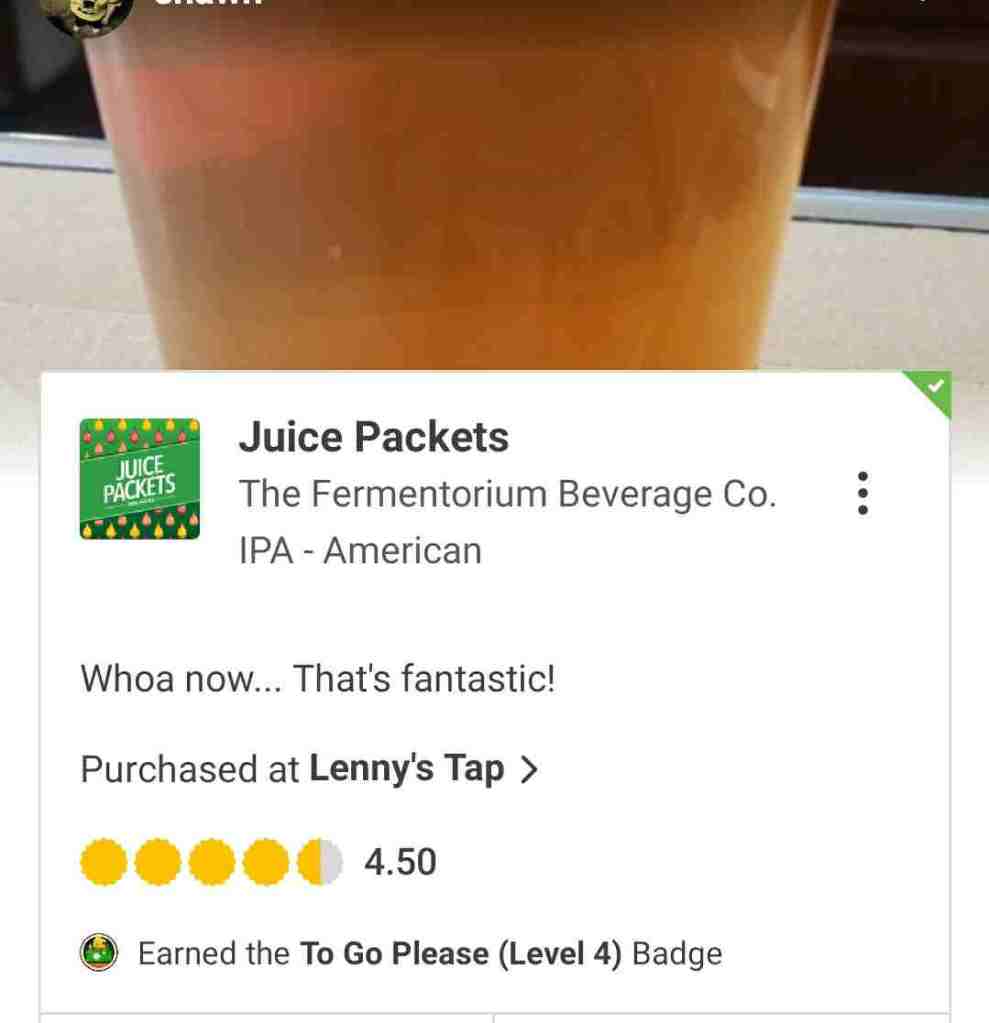
I personally would not dock it at all because like I said, I’m rating on how I like it. But I definitely put that in the notes. And quite frankly, I need to do that quite a bit because breweries are playing a weird game of saying a beers is something its not a lot lately.

And even this guy here just a few seconds ago said something to the effect of you should be rating it before you know what it is or looking at the label.
This means to me that he also thinks you rate it on how you like it,, not what its “supposed” to be. But sadly he goes 180 on that in the next section.

3: Beer degrades fast
I will agree with him on that point. I know, you know, everyone knows beer gets old. Beer can change sitting on a shelf or in a truck. Many things can happen to it. Thats the part I agree with.

What I don’t at all agree with is his stance of not rating or not poorly rating if you get a sub par beer. What?
The whole point of rating a beer, rating all beers, is to determine if its good, or bad or mediocre. If you don’t give anything but 5 stars then whats the point in using Untappd at all?

He even mentions that giving a low score would destroy a beers reputation. Yay! Poor beer, poor breweries, no matter how they got to be poor, does not need its reputation falsely propped up no matter what the intentions were. They will either realize they need to improve and fix it.. or thier poor beer won’t be taking up the shelf space of a beer more deserving.

4: Connection lost
You don’t get feedback from the brewers. No, you don’t. You are, or should be rating the beers by how YOU feel about them. Not get swayed by outside influence. Not manipulating higher ratings than you really should just because you are talking to the brewers or a bunch of people who feel the opposite.

The brewers and breweries get your feed back in your scores and notes. If a beer needs a note or suggestion.. put in in the notes. Or use some other form of notification.. but don’t change your rating just because you don’t wanna hurt thier feelings.
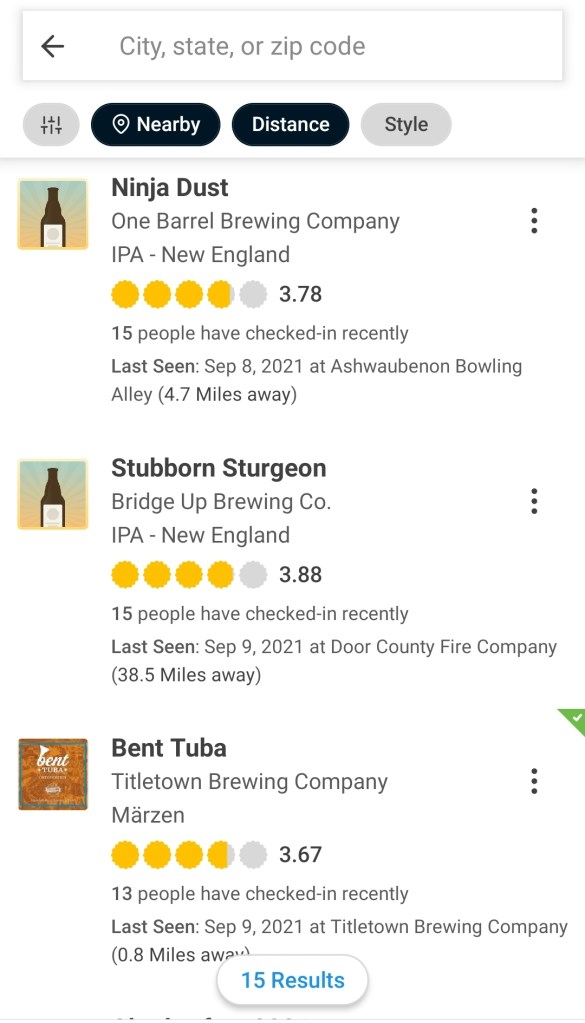
I’m sad that this video is trying to make people think that bad beers are because of the drinkers of that beer. Or its our fault that breweries fail because we give bad scores.

Here is a tip for those breweries. Obvious..Don’t make poor beer. I know sometimes that might be difficult, but thats just the way it is. Don’t sell beer that you know will change dramatically for the worse, and not expect bad ratings. Sell that beer in house or something so you can control it. And when you see bad ratings,, look at the problems and address them. Don’t ignore them or think that we don’t know what we are talking about. Thats when we move on to the next beer and forget about yours.

I just don’t agree with most of this video because it’s not helping anyone by giving a rating that is anything other than what you think of the beer as you are drinking it at that moment.

-Don’t rate it high just because it was good last month.
-Don’t rate it high because you know it “should” be better.
-Don’t rate it high just because the brewery is famous or just because everyone else is rating it high.

If the beer is great, score it high! If its poor score it low. This is the way.

Falsely inflated ratings are just as bad for a beer or company than bad ratings. So rate those beers on what you think of them, not just so you fit in with the crowd.

But now what do I think of that channel knowing they inflate ratings? I’ll be looking at them different now.
Kviek numbers

This past cider “brew” had some interesting numbers. And by interesting, I mean confusing. I can only tell you the observations and reactions of what I have taken notes and measurements on.

I think we have all made a basic cider at one time or another. Apple juice, some sugar and some yeast. And we got a basic thin, dry as a bone cider. Some people like that, some don’t. Those that don’t usually do one or both of two things to get a sweeter cider.
-back sweeten
-use beer yeast

Back sweetening is just purposely killing off the yeast in order to add a sugar to sweeten it back up without it refermenting. Or adding an unfermentable sugar like lactose or Stevia (both completely change the flavor of said cider)

But by using the beer yeast, the yeast stops early enough to keep the cider sweet and have some body. Plus beer yeast has multiple profiles of flavor and aroma esters that one can play with.

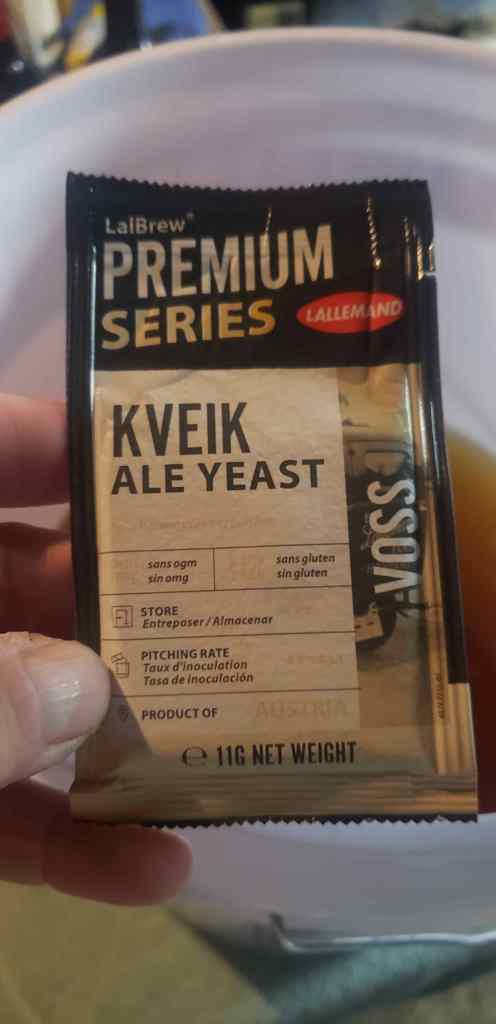
So this last cider that I did I used the dried Voss Kviek yeast. Its generally regarded as a beer yeast. And most of us by now have used a Kviek and see that it does perform just as other beer yeasts do, with predictable numbers and flavors but with bigger temp ranges.
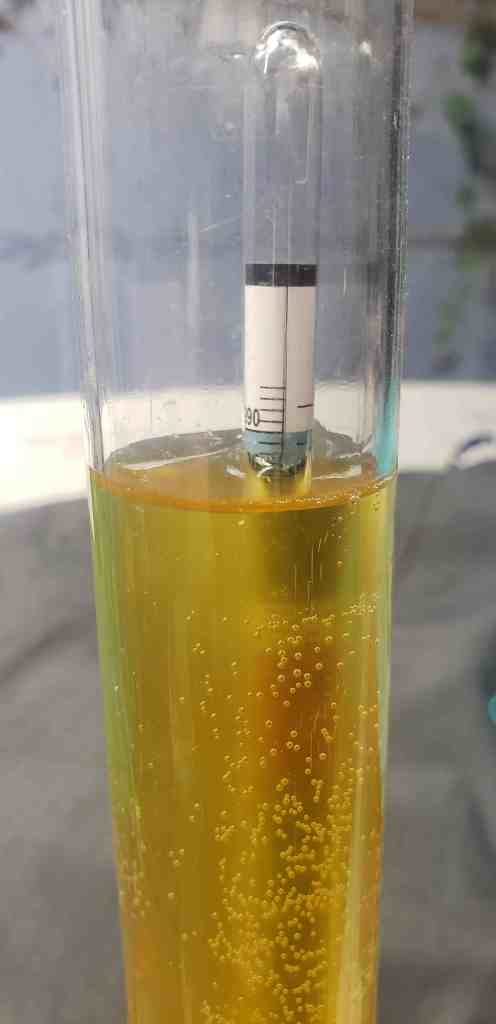
With the cider however we got something different. While the flavors were what we expected for the temp range that I used (60F which Voss Kviek gives stonefruit.. Peach, nectarine plum…) the final gravity was down to 0.996. Nothing like what a beer yeast would do. And thats intriguing for all kinds of reasons.

But first, let’s run through some of the numbers that different yeasts have done for me through the past 10 years or so. These will look very familiar to you.

Beer numbers
Nottingham: 1046-1010, 1050-1010, 1066-1012
US05: 1056-1008, 1066-1008
US04: 1058-1010, 1042-1008
Voss Kviek: 1052-1008, 1040-1008

Cider numbers
Nottingham: 1062-1010, 1070-1012
US05: 1060-1008
US04: 1080-1014
Voss Kviek: 1070-0.996


Note: Here is one of the problems I have here today. While I have made plenty of ciders with several different types of yeast for decades, I don’t have much for actual written numbers from long ago as I was more concerned with the beer side, and the cider numbers were reliable enough they didn’t warrant keeping track. Not until about 12 years ago when I started this blog did I start to jot down cider numbers. And even then just sporadically. Sure I took the measurements to see whats going on, but they were so reliable time after time that I just stopped writing them down. And only recently started with the Kviek so do not have a ton of available personal numbers.

As you can see, I fully expected to see similar cider numbers from the Kviek because they were producing similar numbers as the beer yeasts when used in beer. But I’m still trying to figure out why they didn’t carry over to cider.

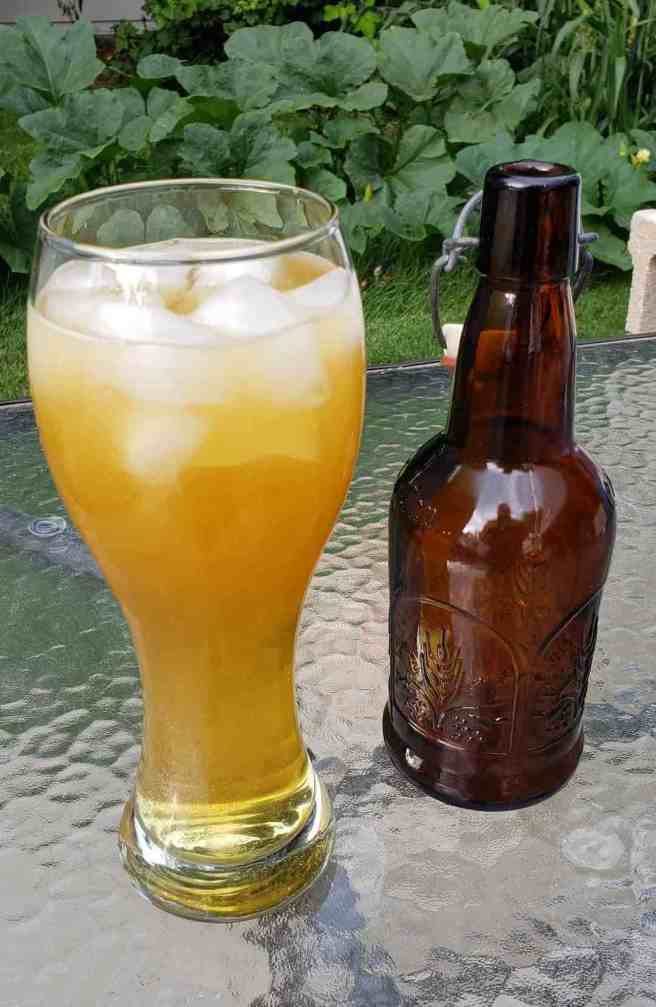
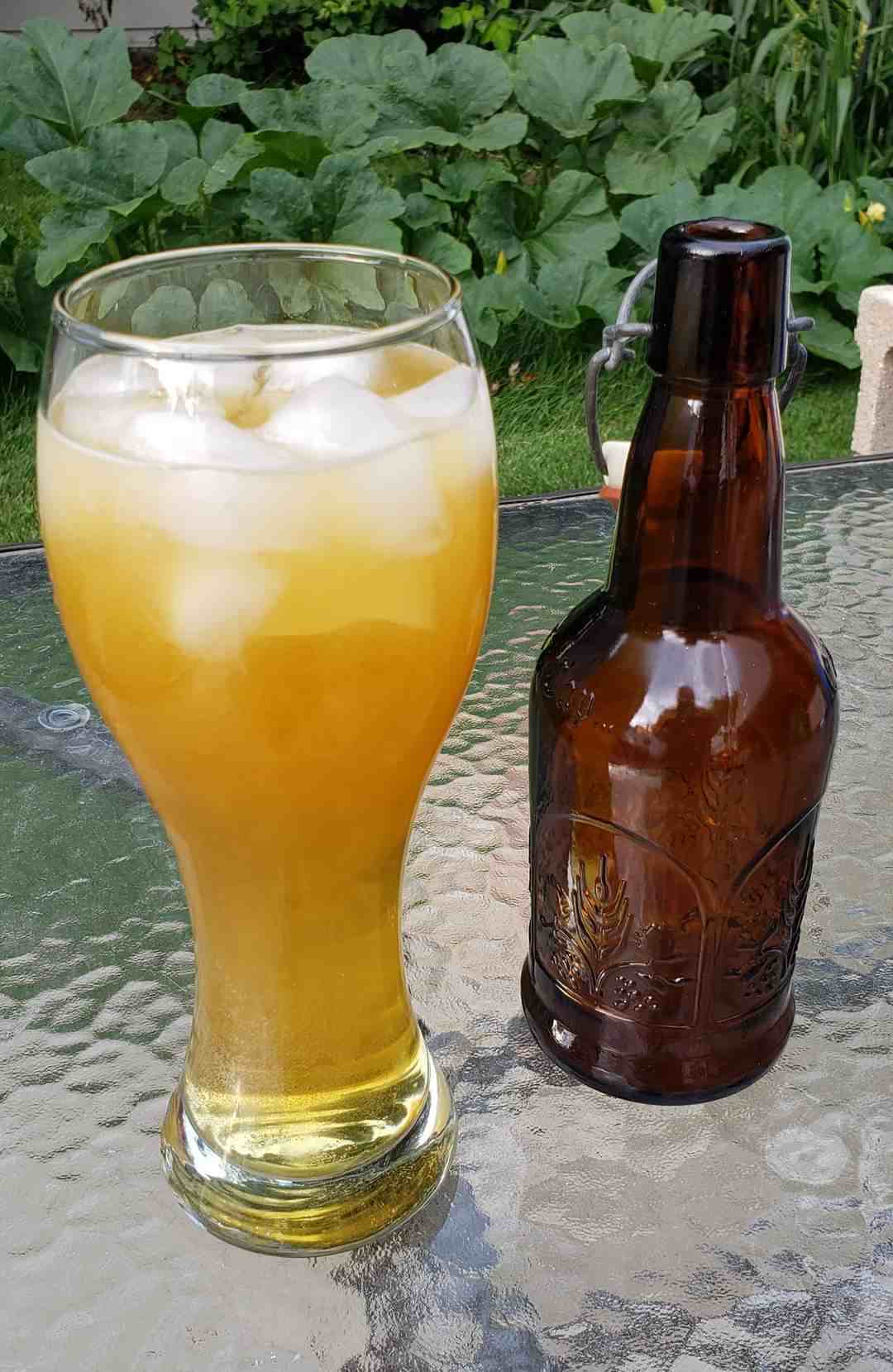
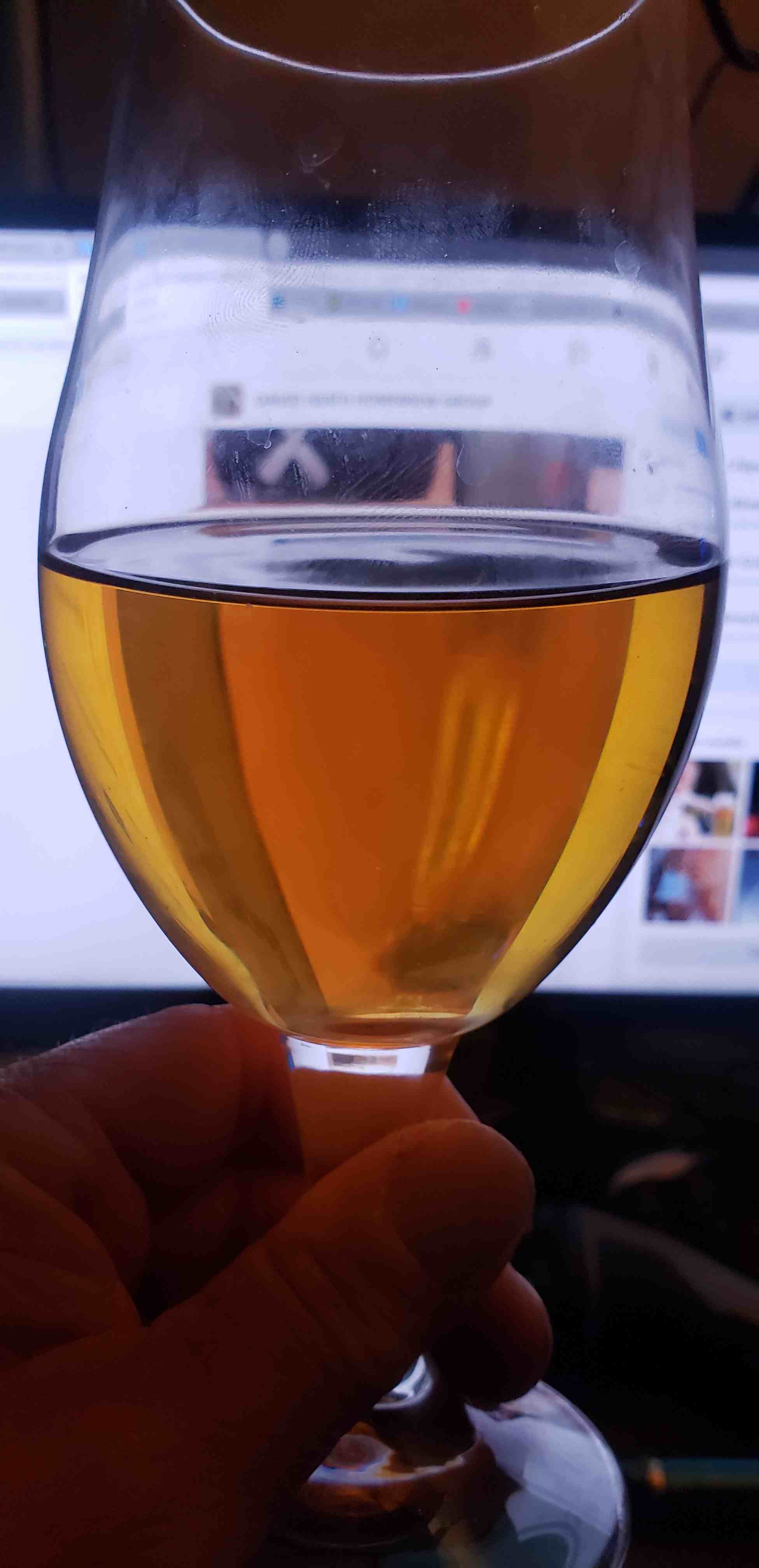
The cider is the simple version of just the juice, a bit of sugar and yeast and is perfectly on par with the taste of a beer yeast cider. There’s the apple of course, and the Kviek added the peach. No off flavors or flaws, clear. A great cider. Just 10% and drier as compared to the expected 7ish% and sweeter
But why does it act so differently in a cider than in a beer?

With a quick look at these numbers, some would say its because there are all those unfermentables in the beer.
While this is true, it cannot be the only reason the yeast stops working when it does because the beer yeasts are pulling the same-ish numbers in the cider that doesn’t have those unfermentables, and it’s being force fed nutrients to keep them going but they still stop as predicted. Plus we would see much lower numbers if the Kviek was munching on something else in the beer that regular yeast does not.

Can’t be the abv. We have a smear of range here and they act the same, plus we know that ones I have listed can go much higher in abv and still follow predicted numbers with little or no help.

Ph? I didn’t measure, and it could be a possibility. But I would expect to see this reflected somehow in the Kviek beer numbers. Plus I think the sour people would have latched on to this by now.

I’m still not sure why Kviek seems to act differently in a cider environment than it does in beer. But It’s good to know that it does, so one can plan around it, and plan other things,, like wine?
If I am missing something obvious here, let me know. Until then I’m going to use what I have seen to my advantage.

Kviek Cider Notes

These are my taste notes on the Kviek Cider. Its now been two weeks now since I bottled it.

The quick rundown of where we are now. 3 gallons Walmart Great Value apple juice, 1lb brown sugar, 1 pkt Voss Kviek DRY yeast, 2 tsp nutrient at pitch. Fermented at 60F. Bottled, no priming. I wanted to keep it as simple as I could to get the best profile of what this yeast will do. I added ALL of the nutrients at pitch, since this yeast works so fast the normal staggered dosage would not work.

The first time I tasted the cider was two weeks after pitch. It was done probably 2-3 days after pitch, but because this yeast doesnt like to drop I let it sit as long as I could.

What I initially was getting from it at bottling day was a semi sweet cider with little apple character left. Not much for apple, but there was a bit of nectarine. And what I take as residual sweetness. But at .996 i find that hard to believe,, but it even has a little body to it.
I wasnt surprised that the apple wasnt there because this was a violent 2ish day ferment, and that drives off a lot of the character of the fruit.
Aroma is somewhere between a cider, and a blast of Kviek yeast cake. Mostly because there is still a bit of yeast in suspension.
Very slight Alcohol burn,, but so little you might almost miss it unless you were looking for it. But at the 10% that it finished at,, I was sorta expecting some heat. But a lot more than this.  

At bottling day, two weeks after pitch. It was a very drinkable cider. As far as 10% goes.

So here we are now 2 week after bottling. 4 weeks since pitch. It has really cleared up. But very little sediment. Seems quite compact for how long it takes to flocc out. 

Now it smells like a cider. Not a big apple bomb, but apple for sure, plus some of that nectarine. Nothing for yeast like before. Taste is pretty much the same thing, but more apple now and more of that nectarine or peach maybe now.
The alcohol burn has mellowed, making this a pretty easy drinker. But at the 10% it jumps on ya pretty quick.

The dryness is now a bit more noticeable, but I don’t think I would call it dry. There is a sweetness there and it still has an OK body to it. This certainly does not feel like a 0.996 finish at all. 

So I think this cider combo was a complete success. Getting a drinkable 10% cider thats not gasoline would have been fine. Getting one that tastes as good as this is unbelievable. 

None of the flavors are overpowering, so this will be the perfect candidate for adding flavor to. I don’t think I would have thought peach would go well in a cider, so maybe we should get on that wagon next.. After all, peaches are at the farmers markets right now. We will see