Favorites: UK style hop


I think all of us brewers have a favorite ingredient to use. A hop that you just love to use, or that goto yeast that you grab every time.

For favorite grain and yeast, my picks are pretty clear,, but I’m gonna save those for a  later post. Today it’s the hops that I wanna look at.

But I can’t seem to narrow it down to one overall favorite hop. So I’m gonna cheat and do three hops. One for each region of beers I like best. An American Hop, a German hop, and what I’m going to use today, a British hop.

My pick for favorite British/UK style hop has got to be the Golding, or more specific, East Kent Golding to sound more snooty. The difference between the two really is negligible, and that gap widens and contracts each season or weather event.

UK Goldings are a big player in the UK beer styles. Much more in the late editions than say,,, Fuggles. Goldings have that earthy, noble hop characteristic that most people associate with the British style beers. I wouldn’t say pungent,, but there is something very faint like that going on. And they have a more rounded, or softer feel, in the bittering perception as compared with hops of similar Alpha acids.

I would say from my experience with them is that the Golding hop is a bit more pronounced in the earthyness and sometimes floral than your Fuggles, which can lean towards a citrusy note if used later in the boil.
Those two flavor points play good together and thats why you see them used together so much, and could be why Fuggles is sometimes described as dirt, when it’s infact probably the Goldings that’s it’s often pared with.

The US variety on the other hand starts moving the profile slightly. Fruitier and scant traces of citrus start showing up more than the earthy tones. Side by side with the UK versions, they are different animals, almost like the before mentioned mix of Goldings and Fuggles.
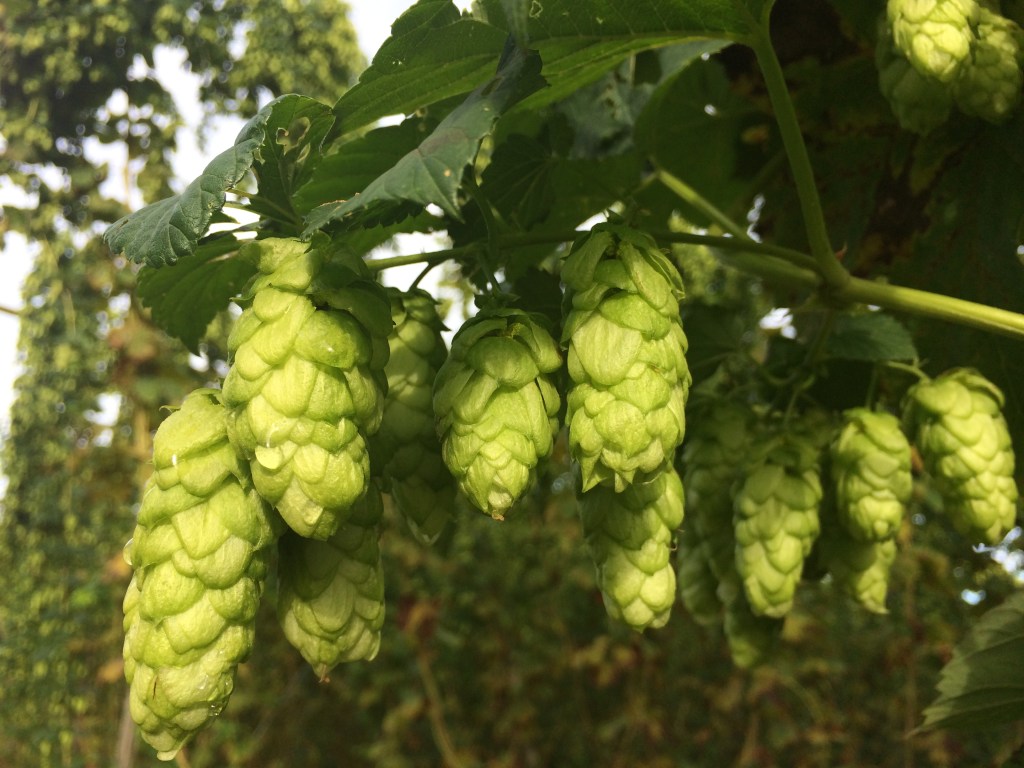
As far as the numbers go, your looking at a average 4-5% alpha 3ish% beta. So not a super bittering hop, and staying close to the  “noble ish” ratio.

I know a few brewers that grow them here in NE wisconsin and they have had widely varying luck. Some can get bushels of cones and 50 foot vines, while the next guy with roots taken from the same plants a few miles away can barely get them to grow.

It’s really a standout taste and aroma profile. So give the a shot.  Here is a proven 9stripe recipe to get ya going.
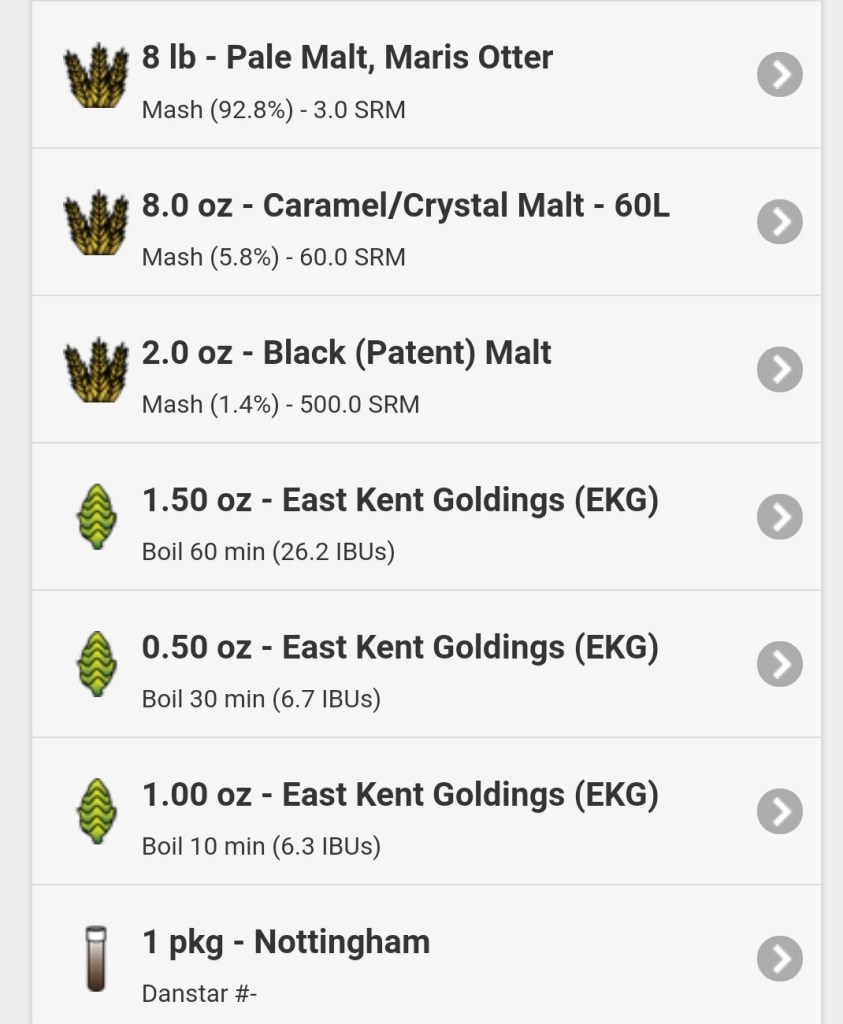
5 gallon Special Bitter. Mash at 152F

Labor Day weekend Brews. strong ale and ginger mead

It’s a great weekend to brew. It’s starting to get cool out and it’s a long weekend.

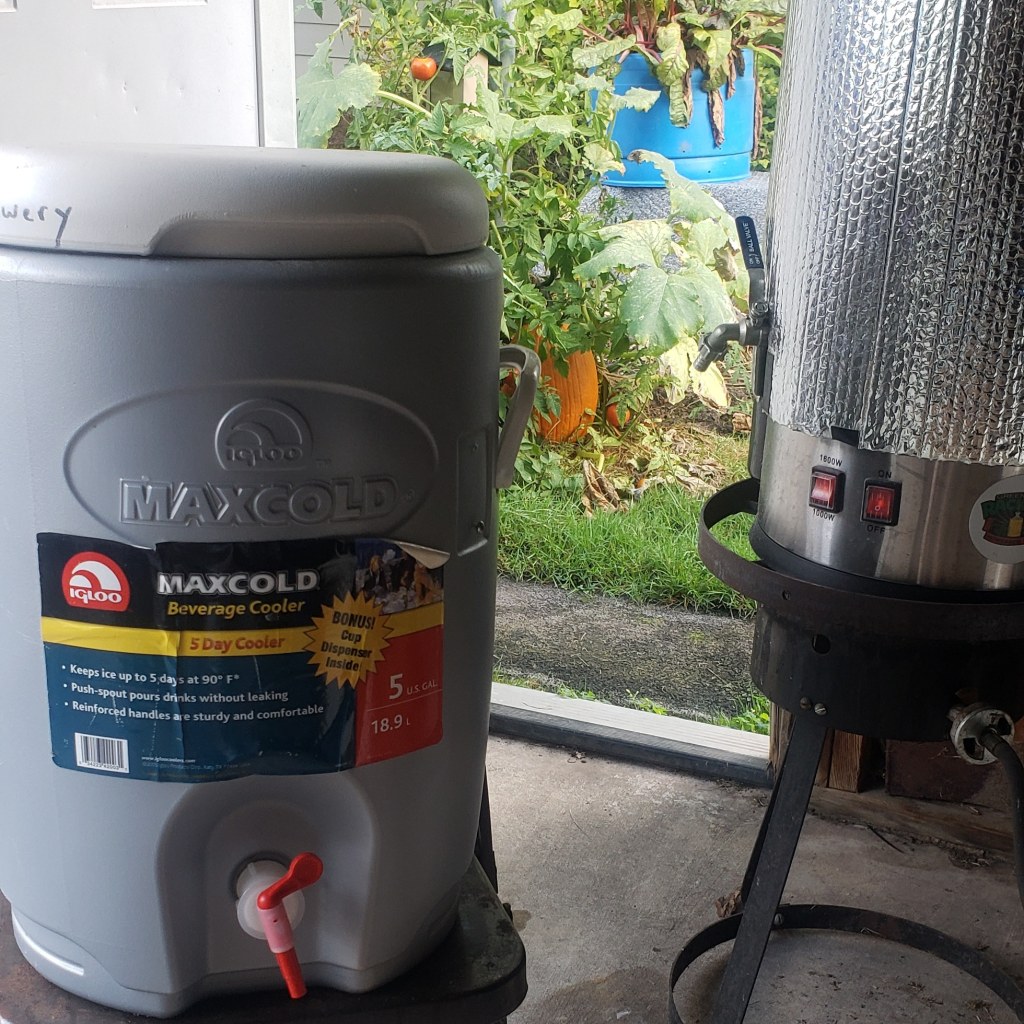
Yesterday we went thru the hop stocks we have in the garage. It’s time to use them up before the equipment move back downstairs for the winter.

We have quite a bit so Sounds like a strong ale to me.

  • 12 lbs Maris Otter
  • 1 lb crystal 60
  • 1oz pilgrim hops @60
  • 1/2oz citra @15
  • 2oz cascade @15
  • 1/2oz citra @ flameout
  • 2oz cascade @ flameout
  • Nottingham yeast. Mashed at 151 2 hour boil
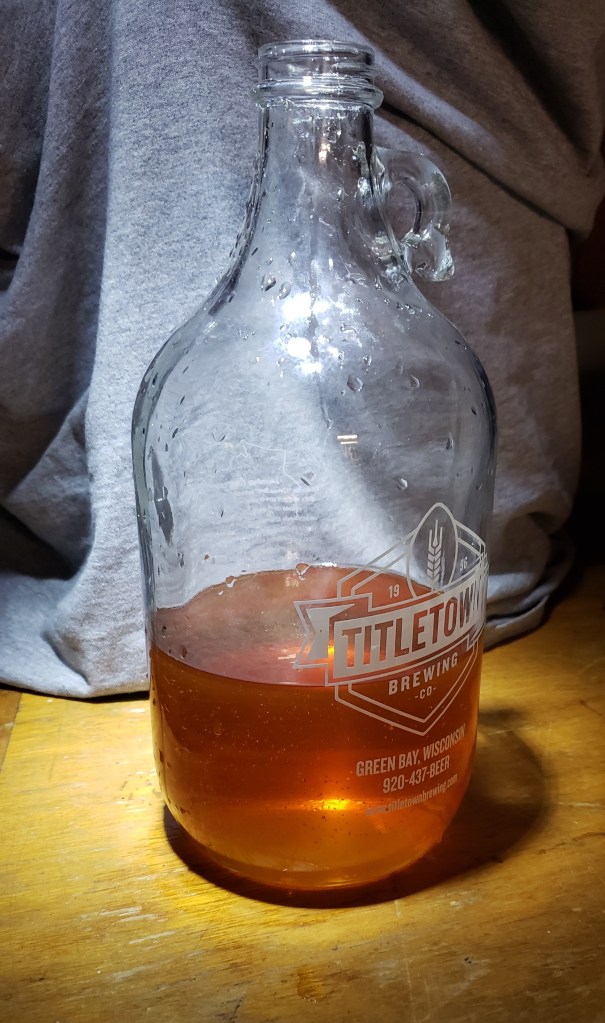
It is pretty looking tho.

Next up a mead. 2nd mead in a month. With maybe one more coming along.

So this one is ginger lime.

2 1/2 lbs wildflower honey
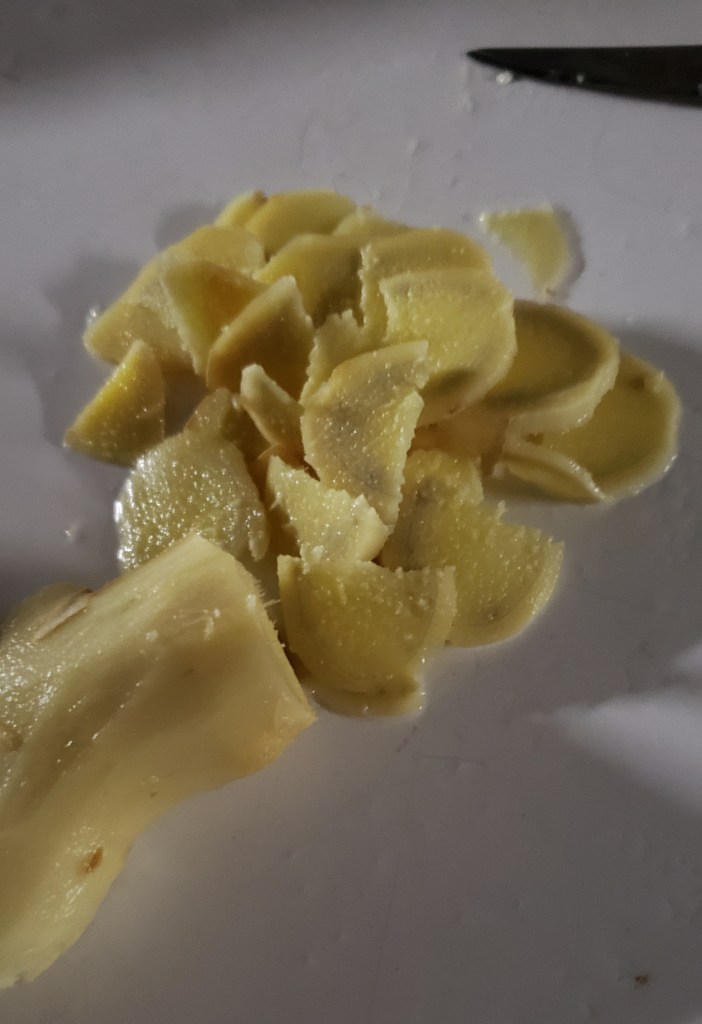
About 2 inches of ginger. This may be a bit much for a gallon. Lol.
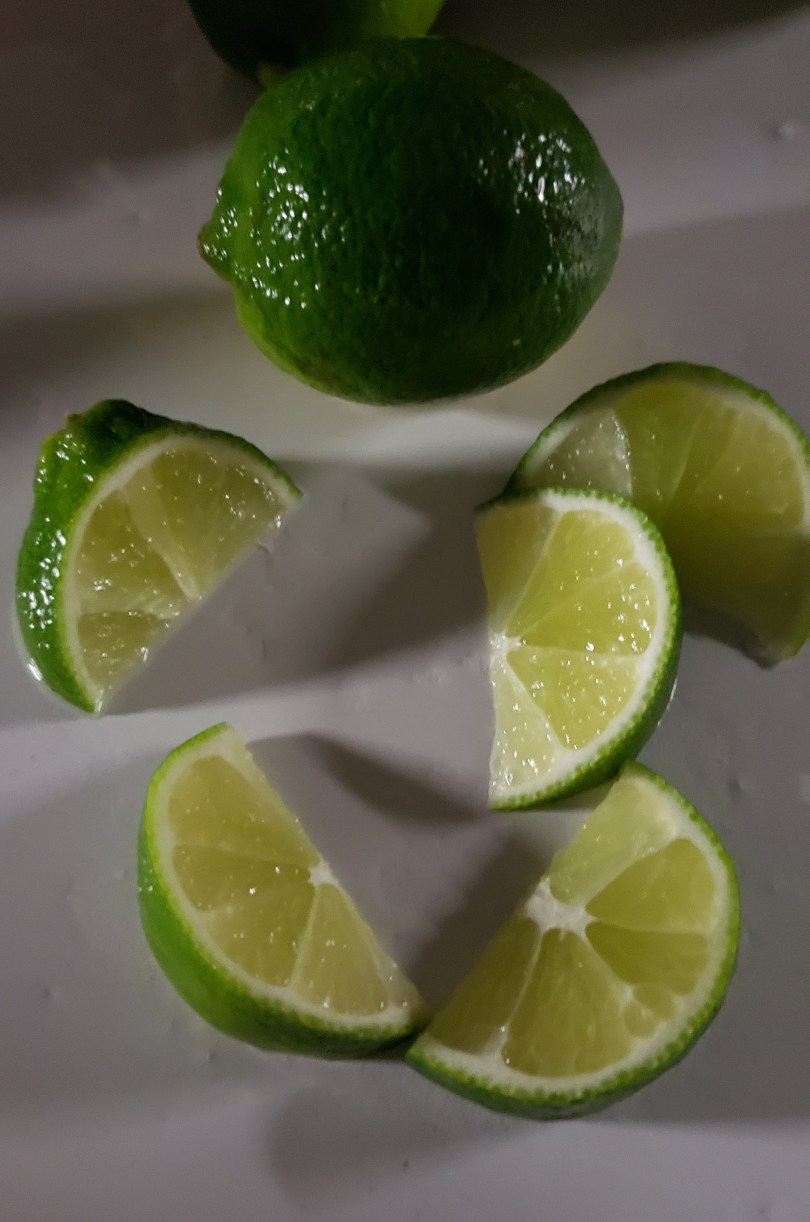
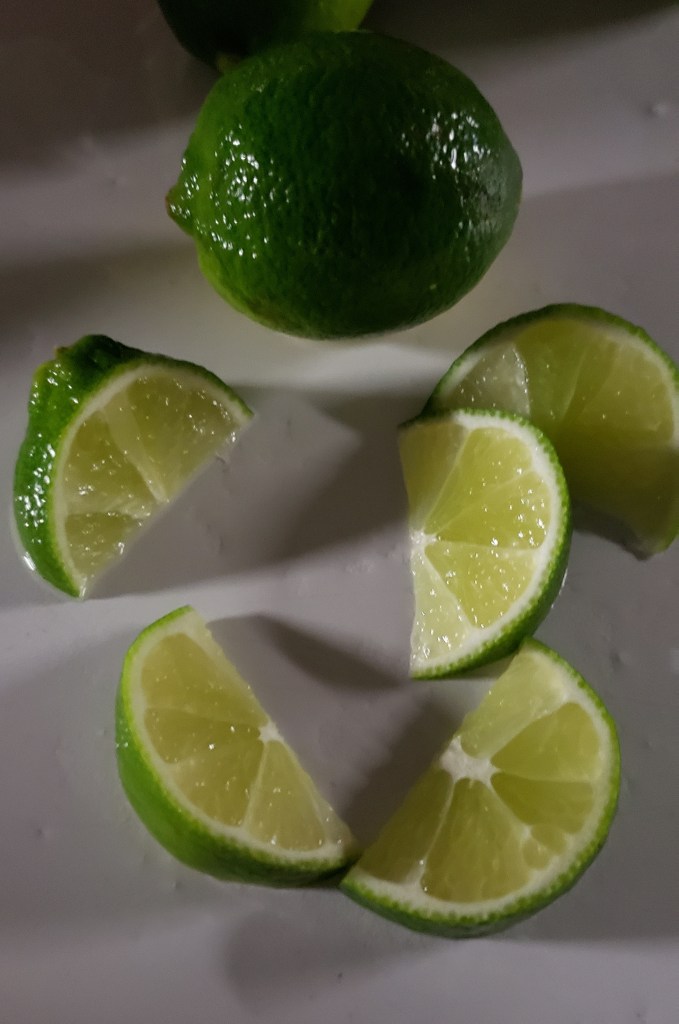
3 limes.

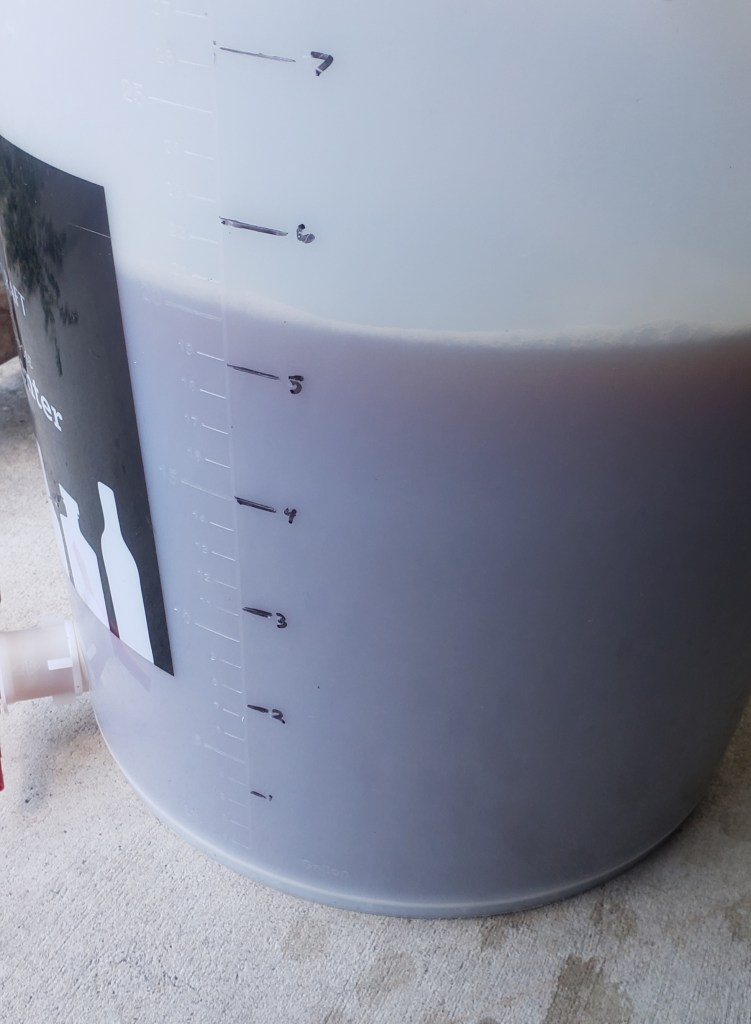
Mixed and stirred everything up with enough water to get 1 1/2 gallons of must and a 1/2 tsp of nutrient.

Oh.. forgot yeast for this guy. But luckily we brewed the strong ale yesterday, so I grabbed about a cup off the top. Should work great since the OG is 1.082.

Put everything into the party pig and it’s ready to rip!


Stretching ingredients

Even in the current crisis, us brewers are gonna brew. Or at least want to brew. Brew shops are busy, (if they are open) but I have just seen notifications from some manufacturers saying they will be shutting down for a while.

I don’t think it’s gonna be complete mayhem to the hobby, but a bit of long-range planning might be a good idea.

7ee2e-0925111013

There was a bit of talk about a hop “shortage” last year because of droughts, floods and fires. But those predicted shortages were mostly for specific varieties. So substituting might be in our future. Remember about 15 years ago during the last major hop shortage? Brewing didn’t stop. It just changed a little. So, yea, I’ll probably go back to brewing the Irish and other low hopped beers. Stretch out my supply a little.

But if there is a “good thing” this time around, it’s the fact that there are many times more varieties of high alpha hops around compared to the last time hops went scarce. Less overall volumes of hops needed to get IBUs up when you need a fix. Plus is far easier and cheaper now to find those pound bags.

Grain is easy to store, (pretty much what grain is meant to do… sit there and wait) a 50lb bag easily makes 8-9 batches of mid strength 4-5% beers. A few more if you throw some adjuncts in. Buying grain in bulk has always been the best way to go to save money. A clean cooler or a couple of buckets with lids is all you really need to store grain.

Yeast seems to be the one that is the most time sensitive… But it doesn’t have to be. Re-pitching is an option. Get your next batch ready to go the same day as you bottle or keg. After racking the first beer off the cake, use a scoop or two of it in the next batch or batches.

20180513_123605.jpg

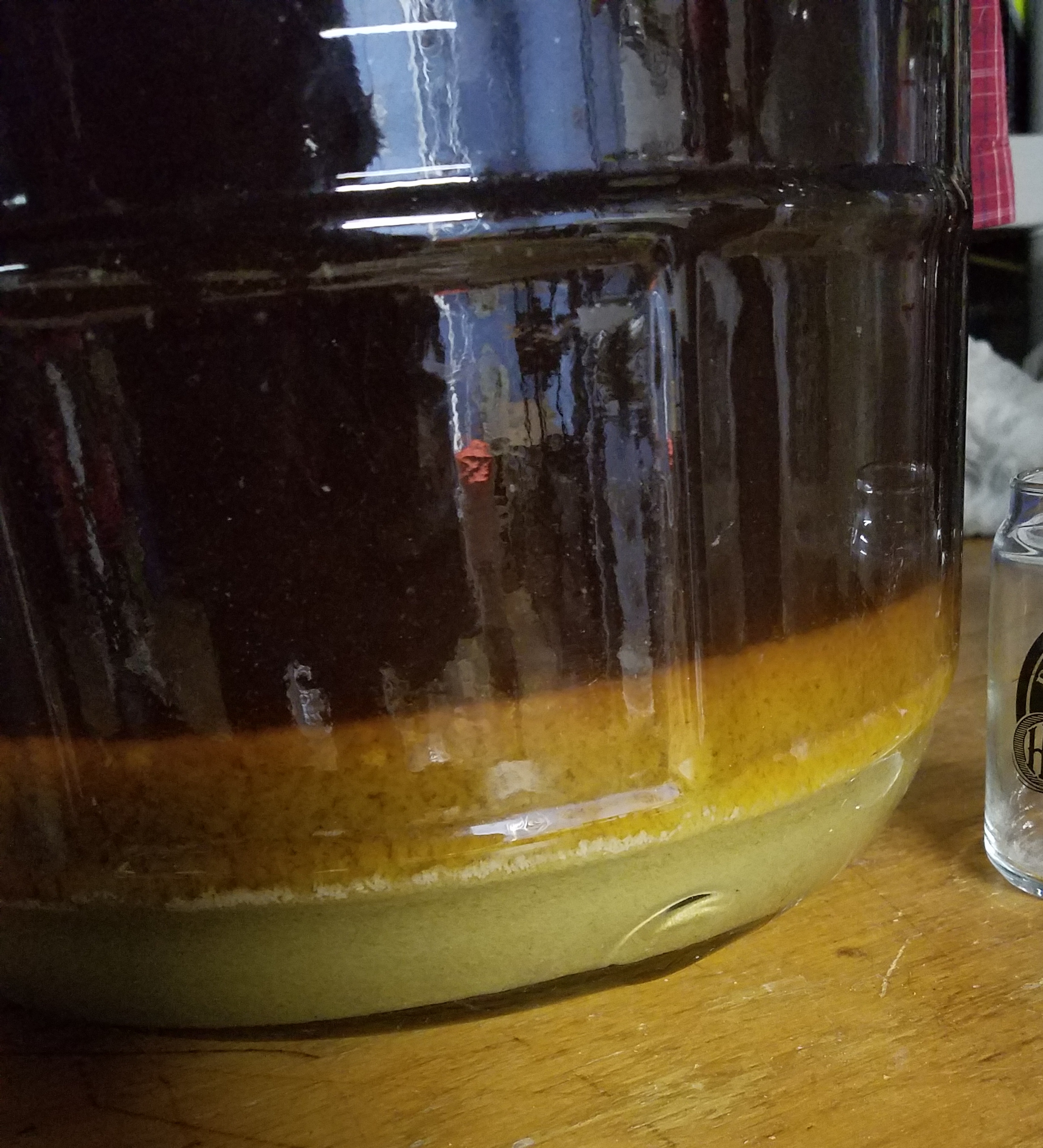
A longer-term yeast option is “washing” it. (click here for a better look at it) After you rack the beer off the cake, you then take that yeast cake and separate the live yeast from the other gunk. That separated yeast can then be stored in the fridge for months. Several batches of yeast can be made from one cake. Just starter them up and pitch as normal.

Just a couple of ways to stretch your ingredients out a bit if things get a bit limited.

I’ll be posting some of my ingredient stretching brews soon.


Stay tuned.