Next up in the Quick Hit ingredient Profile series is one of the most stylistically versatile, and probably my most favorite or at least most used grains….
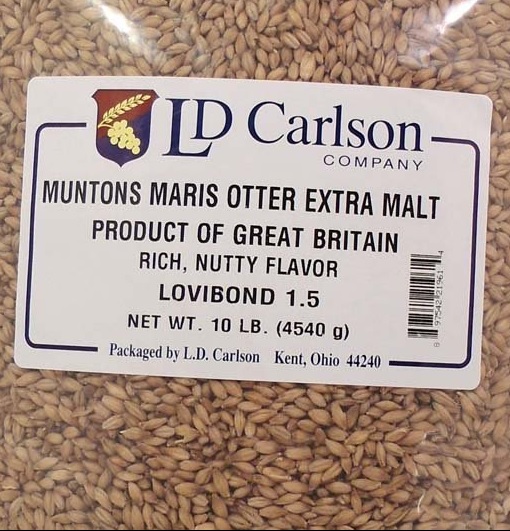
Next up in the Quick Hit ingredient Profile series is one of the most stylistically versatile, and probably my most favorite or at least most used grains….
This weekend the club brewed for Big Brew Day as usual,, except it wasn’t usual. Since everyone is still on lock down, we all brewed on camera. And it worked pretty good for us.
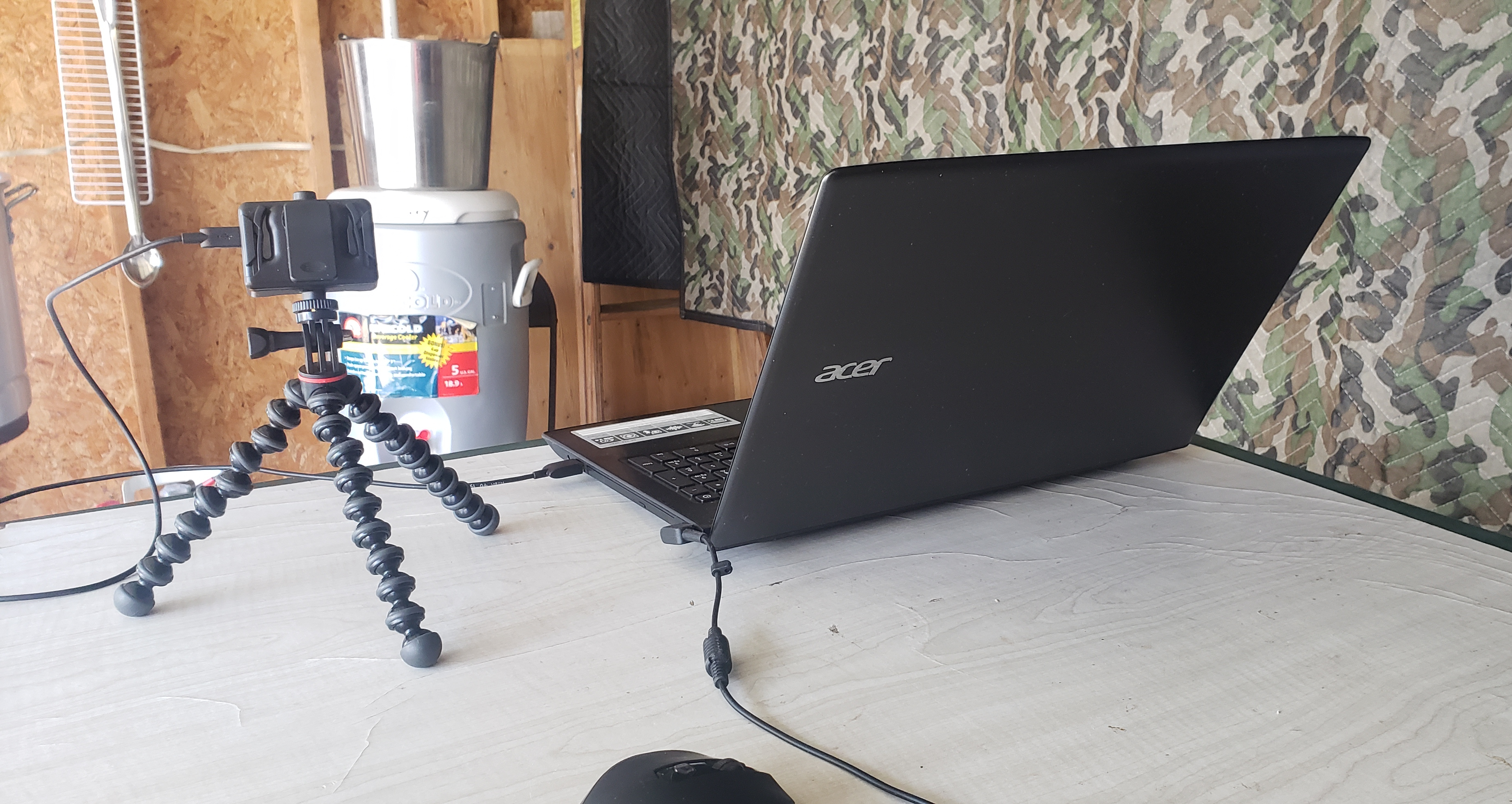
Most people are getting used to doing things virtually, so it was pretty smooth.
I decided that since it would be my first brew outside this year,, why not dig out the old original system.
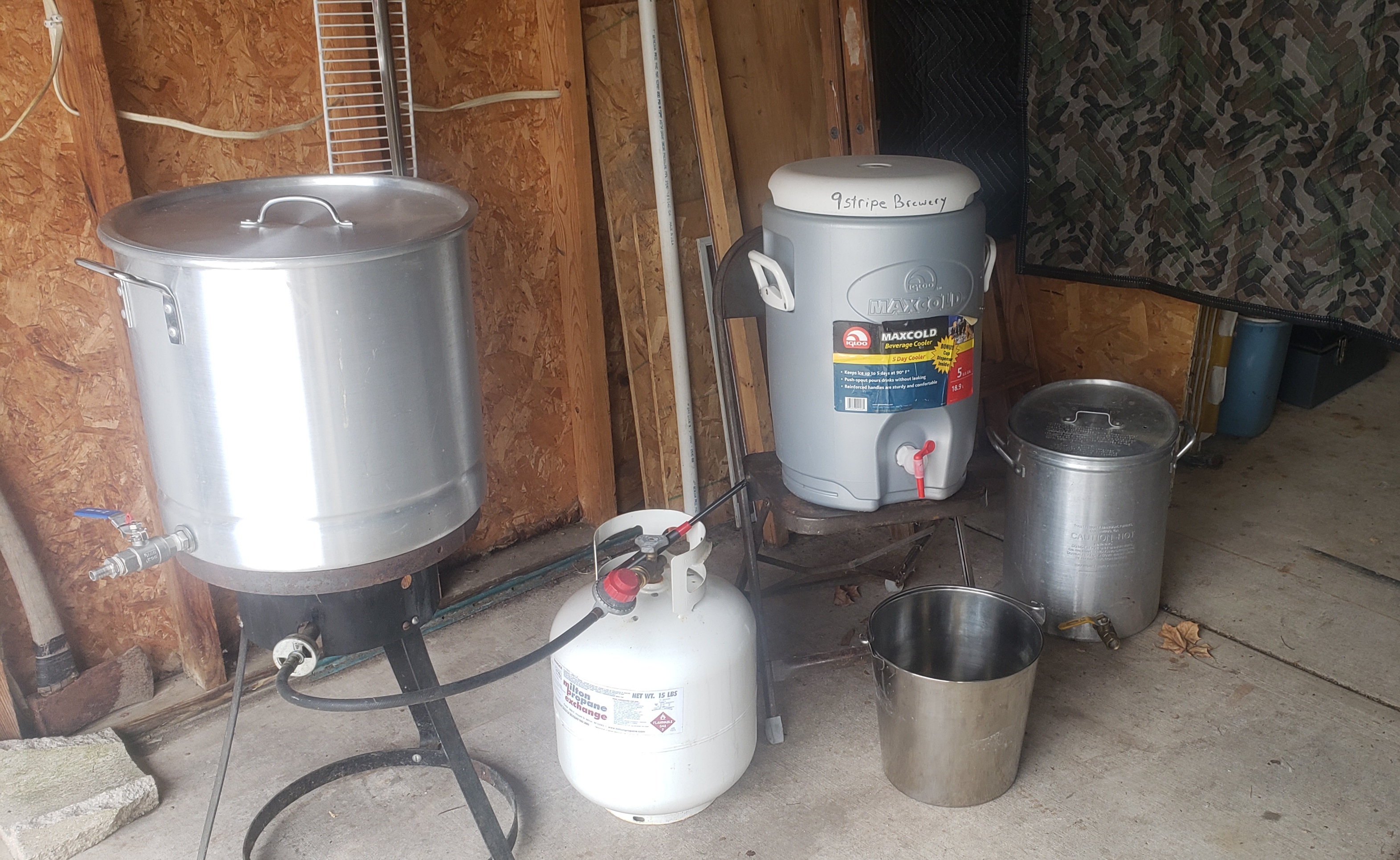
Going back from the Mash and Boil was pretty jarring. Not that its any more difficult or anything, but the amount of things that need attention. I see I’m pretty spoiled now with things like the timer and temp control. There was no setting up early and having strike water ready.
But I really felt more in control of a brew than a normal M/B brew for some reason. And definitely have a clearer wort due to a better vorlaff.
As far as the brew goes, it was a run of the mill Mexilager Corona, or adjunct lager
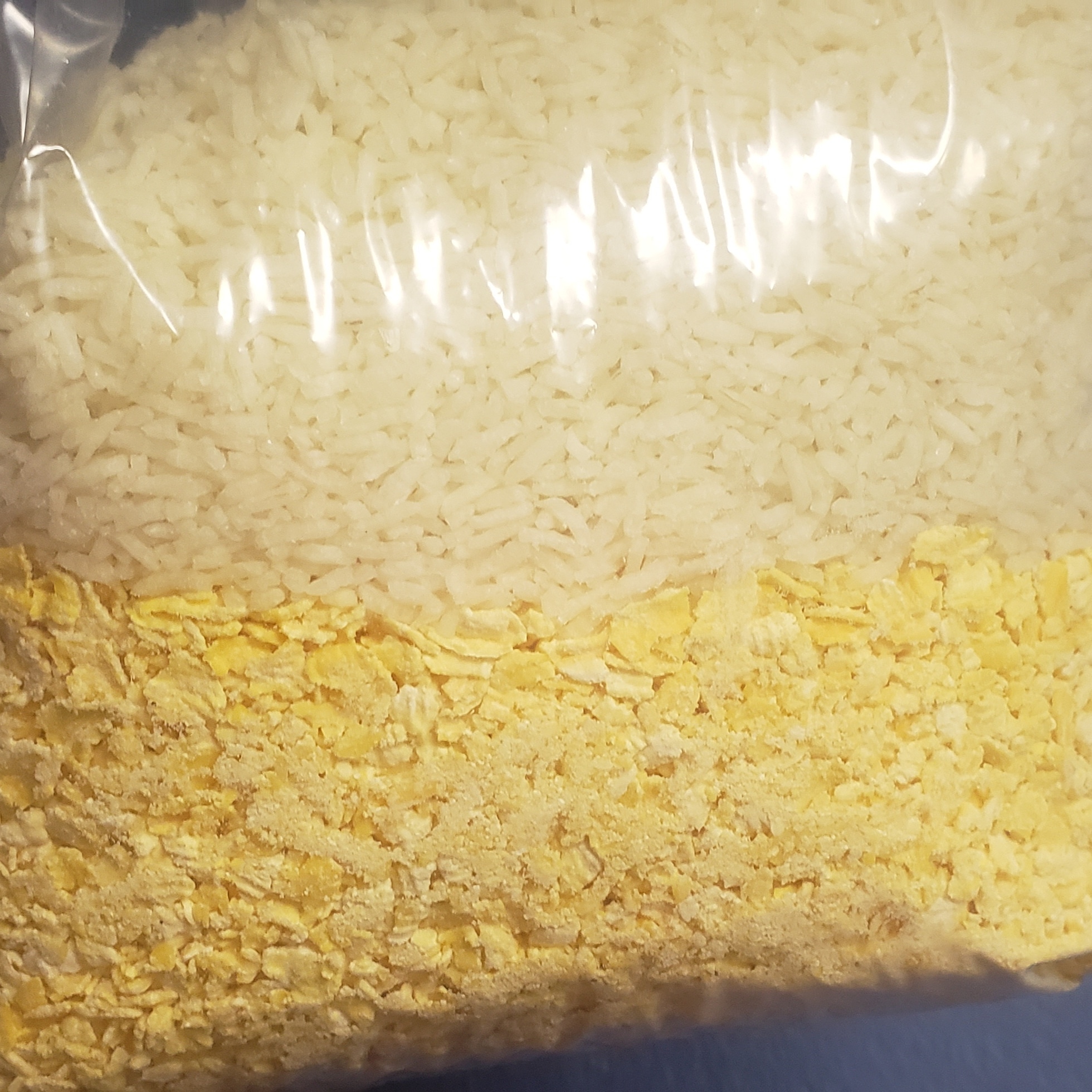
Mexilager
6lbs 2row
2lbs flaked corn
1lb flaked rice
1/2oz galena @60
1/2oz galena @15
34/70 yeast
Mashed at 152
And after not using that old system in about 3 years,, I was still able to hit all my numbers, and much more fun I think. Maybe I’ll leave the Mash and Boil downstairs for the summer.
Took advantage of the weird winter warm up here in Green Bay. This time of year my basement is usually around 45F. Which is a bit too cold for a good lager ferment. But this winter it’s been sitting at 52. Perfect.
So, from a followers suggestion I brewed up a Kolsch. It was a good choice for a couple reasons. First was the temps. I could still brew while my heat box was full. Second because I am currently on a SmasH beer kick and third because I can use this beer for the Germanfest contest in Milwaukee.
Very simple recipe here.
I have used the S-33 yeast before, but do not remember it being as “dirty” as this.


This is over week later after pitch. But I’m not worried about it at all. I’ve seen much much dirtier looking yeast. (Like the Kveik. That looked like I fermented a mud wrestling pit)
It will clear. You can tell from the second pic that it already is. Look at the bottom half compared to the top half. I will give it a 2 more weeks to drop and then get it moved to keg. Once in keg it’s easier to move to warm and back to the fridge to condition.
Next week I will be doing a some work on the wine side of things. And maybe another Mead?? I dunno.
Stay tuned.
 9stripe Brewing