English Bitter is one of the beer styles that I latched onto when I first started brewing. A bit of hops, a bit of malt, with lots of leeway in every direction.
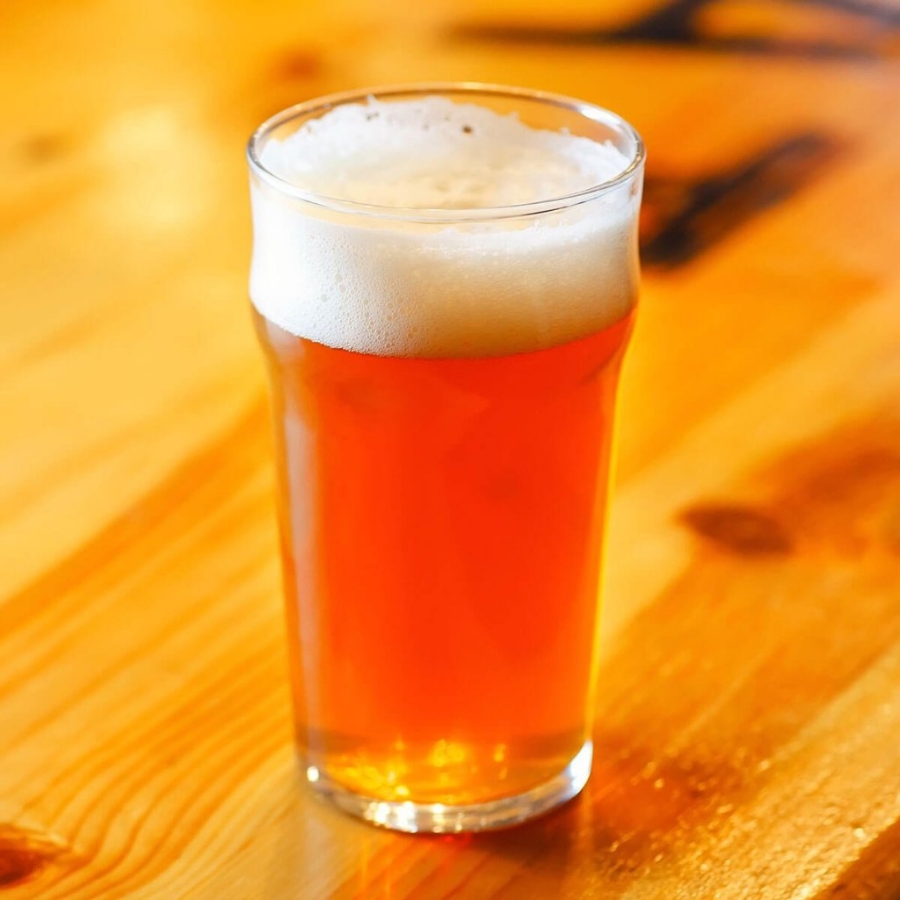
I still love this style and it is still a staple beer in my arsenal. But what is a Bitter, and how does an American like me brew one?
A classic beer, a simple beer. A “pale ale” or Bitter is a hoppy 3-6ish% beer that keeps the malt and caramel backbone in balance. Not exactly as “bitter” as the name implies though. They were called bitter, just to differentiate them from the less hoppy “mild” beers that were the big hit of the 1600’s. Yes the 1600’s

Up until then, beers were bittered and flavored with various herbs and spices. Yarrow, mugwort, wormwood (bleh). But eventually hops began to get wider attention and started to become the preferred bittering method. There was even a point where laws were made to make hops the only legal bittering source.

While these “bitters” or pale ales were definitely around far back, it was the porters that were in the most demand, but mostly because of ingredient supply.
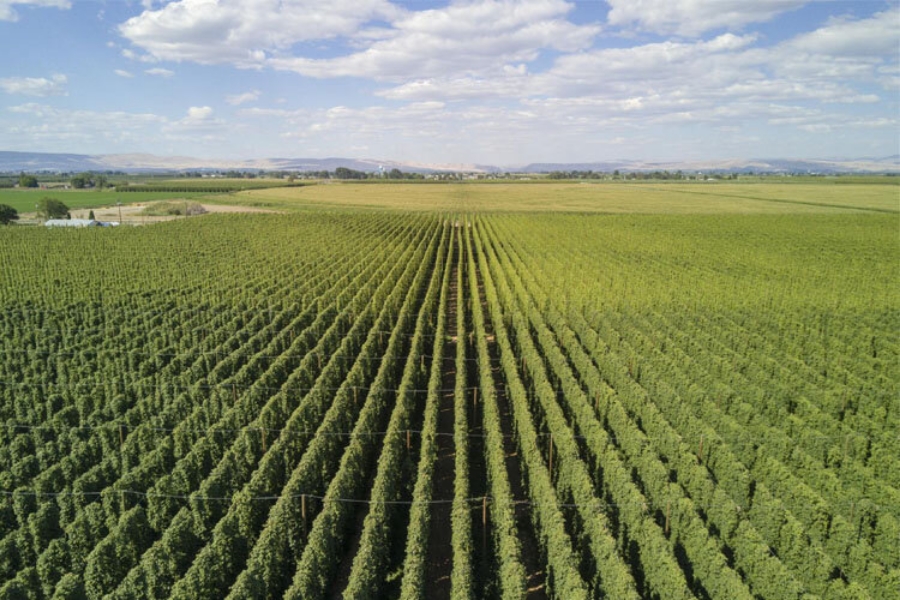
Soon hop farming increased and more and more hops became available, meaning pale ales became more available. And thus started becoming the goto style.
The first versions of the bitters were actually kind of, well…bitter and much more so then because hopping was still initially used as a beers preservative so much higher amounts of hops were needed.
But as we get closer to the mid 1800’s a few things happened that significantly lowered the bittering of the bitters…
Pasteurization. Now beers could use much less hoppage and still be just as stable plus being much lower cost per barrel or batch.

Add to that the fact that the British hop industry started to slow and brewers were having to pay more for imported hops, the pale ales in turn became less and less hoppy and less and less bitter. More or less as they are today.
As nearly all early beers were cask conditioned and served directly from the keg, modern beers as you know have of course moved to forced carbonation and CO2 driven tap delivery
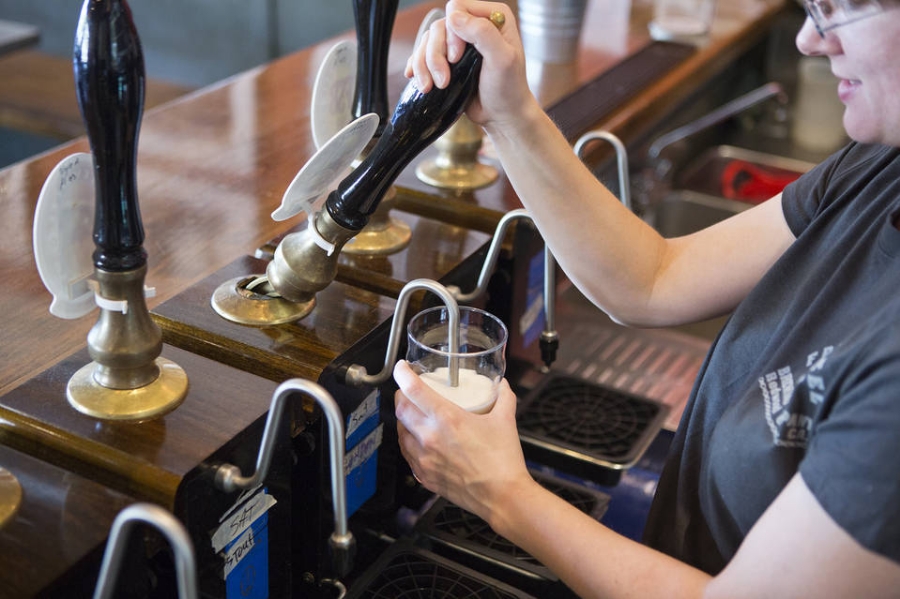
But the bitters/pale ales still pride them selves in carrying on the traditional cask conditioning and serving from gravity or hand pumped beer engines, Real ales or cask ales as they are called, are a very much regulated to stay true to the style.
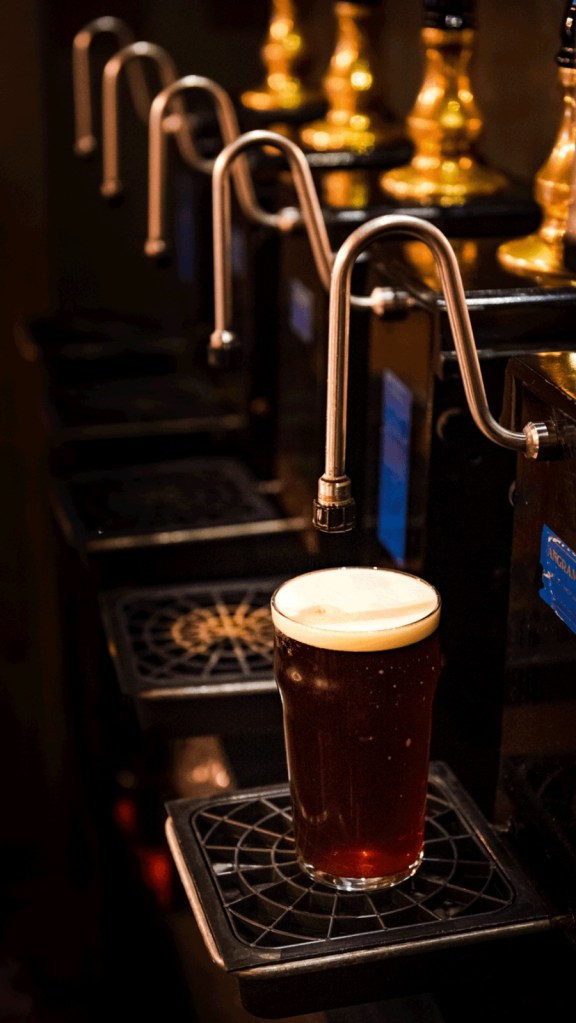
So now that we have a bit of their history, what is an English Bitter today and how do we make one?
Today there are three categories in the style of “bitter”. In order of strength.. Ordinary, best, and strong. All generally are similar profile that scales up or down relative to thier gravity.
Ranging from 3% to 6%, with thier bitterness running from 25-50 Ibu,, so generally medium to moderately high bitterness. (For scale, this is about the same bitterness as a Pilsner)

The usual UK hop varieties such as your Goldings, Fuggles, Target, and Northdown are more in the bittering role than aroma, but stronger versions may have a higher doses of aromatic hops. Traditional pale ales were dry hopped in the kegs, but that seems to not be so much of the case today with commercial beers, but homebrewers do tend to do a bit of dry hopping.
Caramel malts are very much part of todays bitters. Especially the darker caramel malts for getting to that familiar amber/copper color. Adjuncts such as corn rice and wheat often find there way into these beers as well. Usually to give a dryer palate to cover those caramel malts.
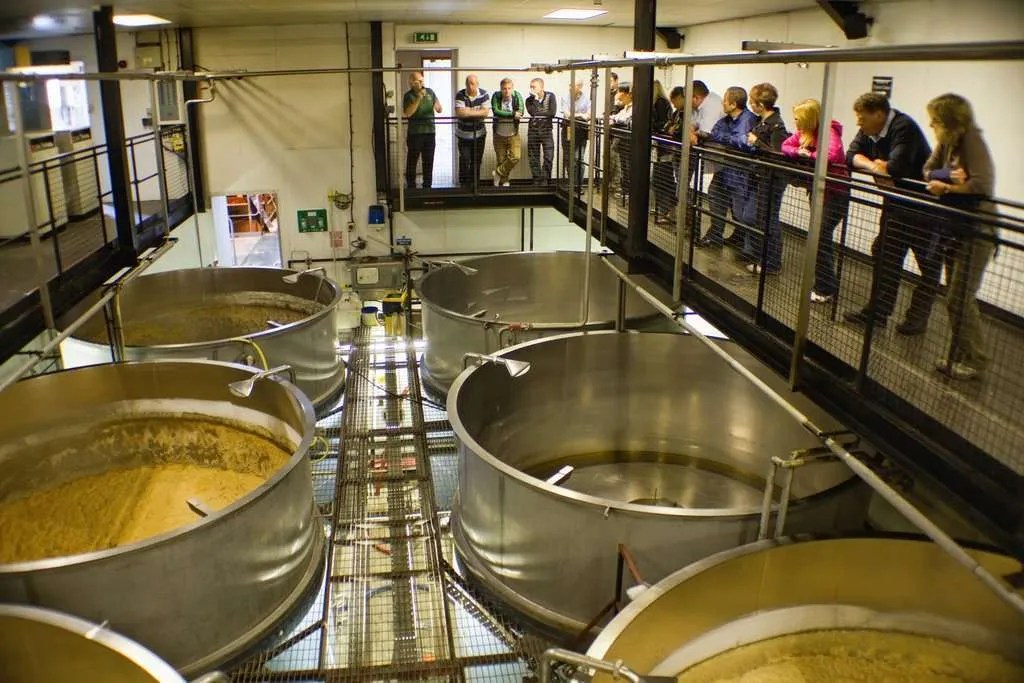
The yeast profile is what can really make a bitter stand out. Whole books have been written just on british yeasts because of their estery profiles. Plenty of breweries have their in house strain, and every modern yeast company has its own “English” varieties. But the general rule of thumb is that they have a bit less attenuation, so they leave the beer juust a bit sweeter, while throwing bigger tastes and aromas.
The carbonation of these beers is another big distinction from other pale ales. Much lower carbonation and lower serving temps are the normal here, with real ales coming in with even lesser carbonations.

Over all, the English Bitter is a sessionable pint full of flavor that just slightly leans towards the hop side.
One of the more famous bitters, and easiest to find around here is Fuller’s London Pride.
If you are looking for a great beer go grab one of these.
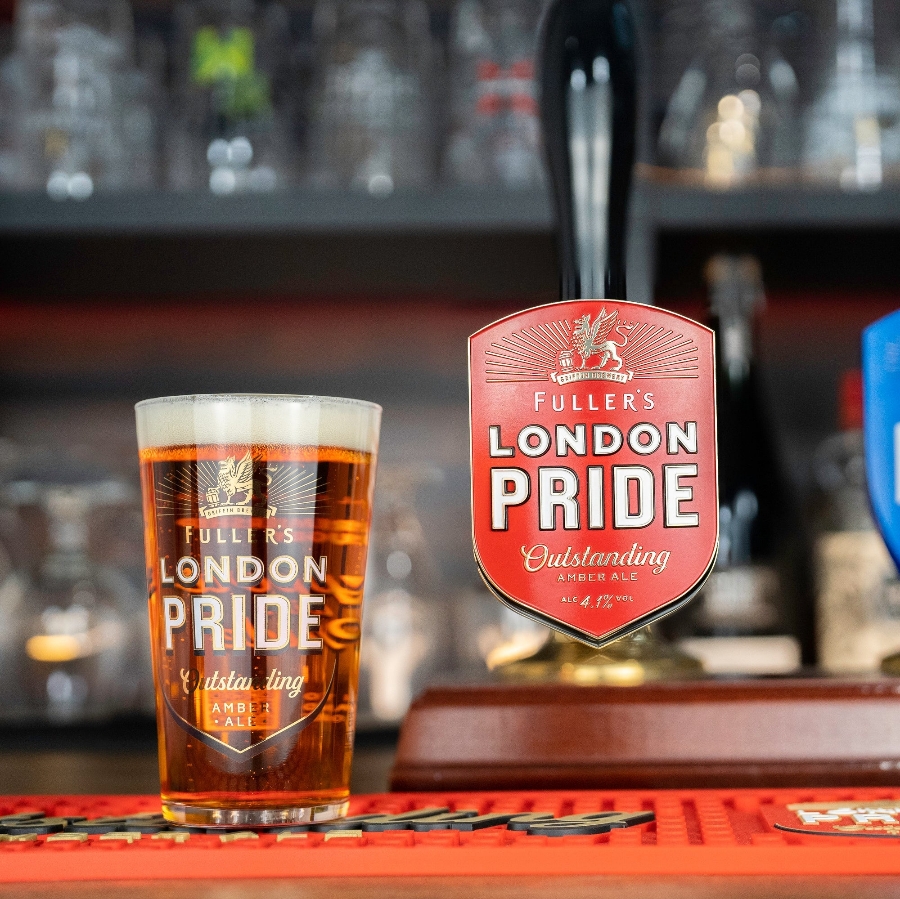
If you are trying to make this great beer, the “somewhat official” 5 gallon clone recipe is..
8 lbs. (4.1 kg) Muntons pale ale malt
12 oz. (0.34 kg) crystal malt (75 °L)
2 oz (0.05 kg) roasted barley
5.83 AAU Target hops (60 min.) (0.53 oz./15 g of 11% alpha acids)
2.63 AAU Challenger hops (15 min.) (0.35 oz./9.9 g of 7.5% alpha acids)
2.98 AAU Northdown hops (15 min.) (0.35 oz./9.9 g of 8.5% alpha acids)
Mashed at 150, fermented at 70F
Wyeast 1968 (London ESB) or White Labs WLP002 (English Ale) or Lallemand London ESB yeast
Or you can try Light Cycle, my Ordinary Bitter

6 lbs Maris Otter
½ lb crystal 80
¼ lb biscuit malt
1 oz EKGhops @ 60
1 oz EKG hops @ 15
Mashed at 152 US-04 english ale, or Nottingham yeast.
Both of these recipes are good ones for cask ale
Enjoy.
 9stripe Brewing