So Apparently I had mentioned something in a chat one day regarding making a different beer using the same, or similar ingredients but changing the yeast made a completely different style.

A newer brewer was kind of caught off guard with this. Didn’t get how that would be possible to get a different style if the ingredients were nearly identical.
Now to be honest, I’m kinda hazy on what part he was getting confused with. Was it the style part? The ingredient part?
I’m not sure, so lets back up to what I was talking about.
So a few weeks back now I had made a Belgian Single. Well actually we, the brewer who has the question and I, both brewed a batch of this Belgian Single.
It was a simple extract recipe. 3 gallons. And the recipe is about as straightforward as you can get.
3 lbs light extract, 2oz Saaz hops, Belgian Abbaye yeast. Easy. Great beer.
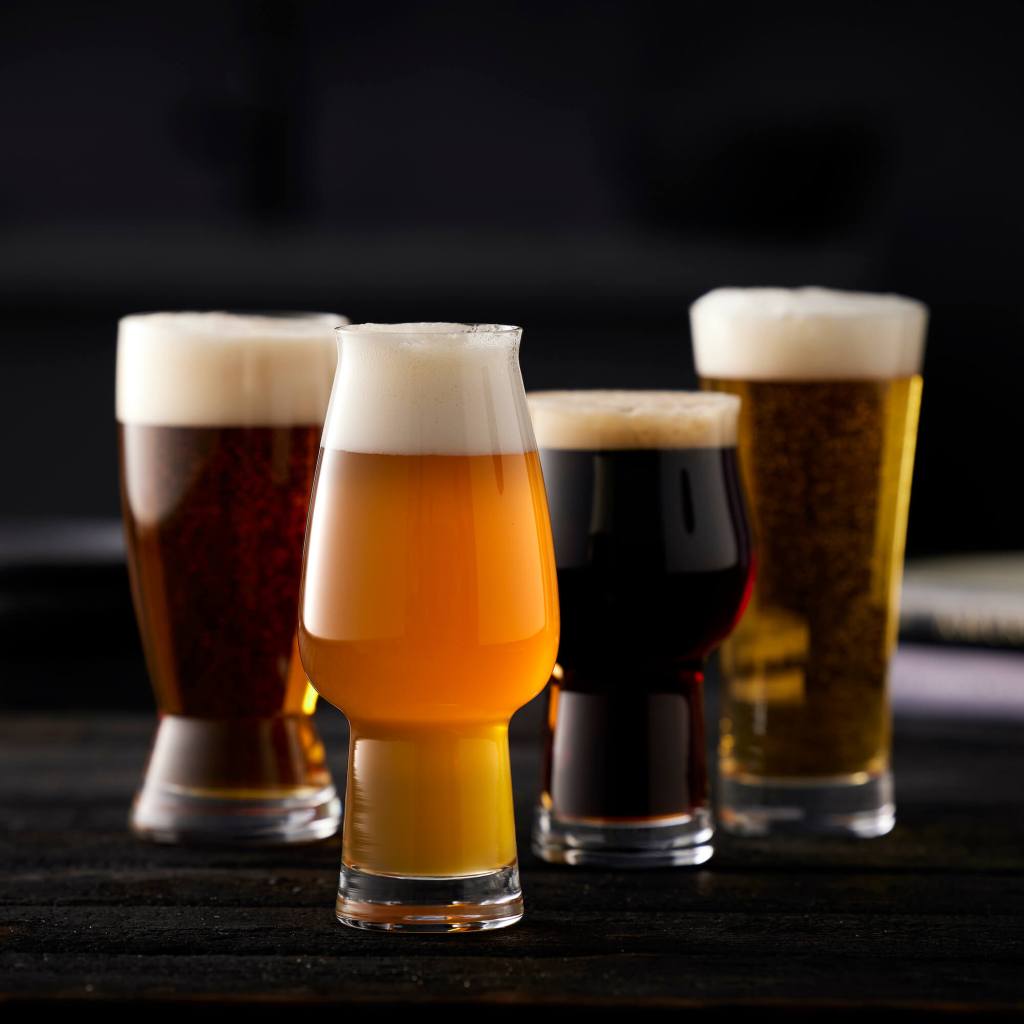
A few days ago I was writing out an all grain version of it. 5 lbs Pilsner grain, the same 2oz hops and the same Belgian Abbaye yeast. And while I was looking at it, I remembered that I had written almost the same recipe out before,, a few times.
Lots of beers use those same grains and hops. I noted that a Czech pale would be exactly those amounts of grains and hops, but use a lager yeast instead of the Belgian Abbaye yeast.
Another beer like a standard European Lager would use the same amount of and type of grain and yeast as the Czech Pale, and the same Saaz hops, but just less of them.
A Munich Helles would use the same grain bill (the 5lb Pilsner) Same lager yeast but change the timing of the hops or change them to Hallertau
British golden ale? Keep those Saaz, but Swap out the Pilsner malt for Maris Otter and use Notty for yeast.
Oh sure you could specialize those recipes a bit more,, but all of those would definitely be “in style” just with those few standard ingredients.
When you start to take a look at beer styles and their ingredients, you quickly see that a lot of the styles are just adaptations to the local availability.
Some of the most obvious are the American Lager and the Cream Ale. Same grain bills, same hops and schedule, just different yeast.
Could do exactly the same with a German Weissbier and an American wheat,,, just change the yeast.
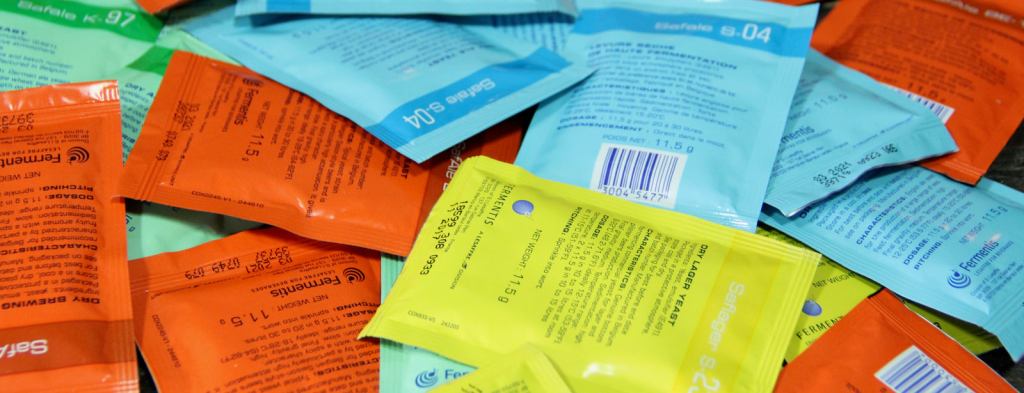
And when you see names like American Stout or American Amber,, you pretty much bet that its just an older style adapted to American style hops and hopping rates with less flavorful yeast.
(I can already hear beer snobs rioting, but it is what it is.)
So,,I guess if you think that learning to make a bunch of different styles of beer sounds complicated and needs loads of experience to come up with new recipes, just start by changing one thing. Use a different yeast, use a different hop, use Maris otter instead of Pilsner… this is how you learn beer and how things work together.
 9stripe Brewing
It’s sometimes not easy being the new kid on the block. But understanding this concept really helps me break down the over complicated amount of information available and to step outside of the recipe generators. To finally try something new on my own. Thanks for taking the time to explain!
LikeLike