Cranberry Mead

Now, mead is not one of my favorite things for some reason. I mean, I should like them, right? Who don’t like honey?

Oh I have had a few that were phenomenal, and also some that were the worst homebrewed things I ever had. (one was so bad it turned me off of an entire genre of beers)

I have made a couple of meads in the past. They ranged from ok, to maybe not. Mostly because of ingredient choices. Somethings just aint cut out for mead.

But I’m not a quitter. I’m going to find a combination that I like sooner or later. And this past version may be just that. Cranberry mead.

Now I put a little thought into it this time, I was looking at a 3 gallon batch. Lower alcohol so it can be drinkable relatively sooner than normal. A sweeter version. And,, well… cheap. Meads can quickly deplete the wallet quickly.

So what I came up with is: Cranberry Mead
5lbs Costco Wildflower Honey
3 lbs can Vinters Harvest Cranberry Puree
3.25 gallons filtered water
Nutrient
Nottingham Yeast

Using honey and puree is just a matter of dumping and stirring. And while yes I did figure on a bit of displacement, I didn’t figure on quite as much as we got. After getting everything mixed in as measured, it appears we have about 4-4.5 gallons of must.
Am going to assume we will lose atleast a .25 gallon on first rack then maybe another .25 between the next rack and bottling.

The last wine was the same volume and we just racked to my 3 gallon carboy and a separate 1 gallon fermenter. (its nice to have odd ball sizes of jugs laying around) But in the future I will have to adjust for this. 

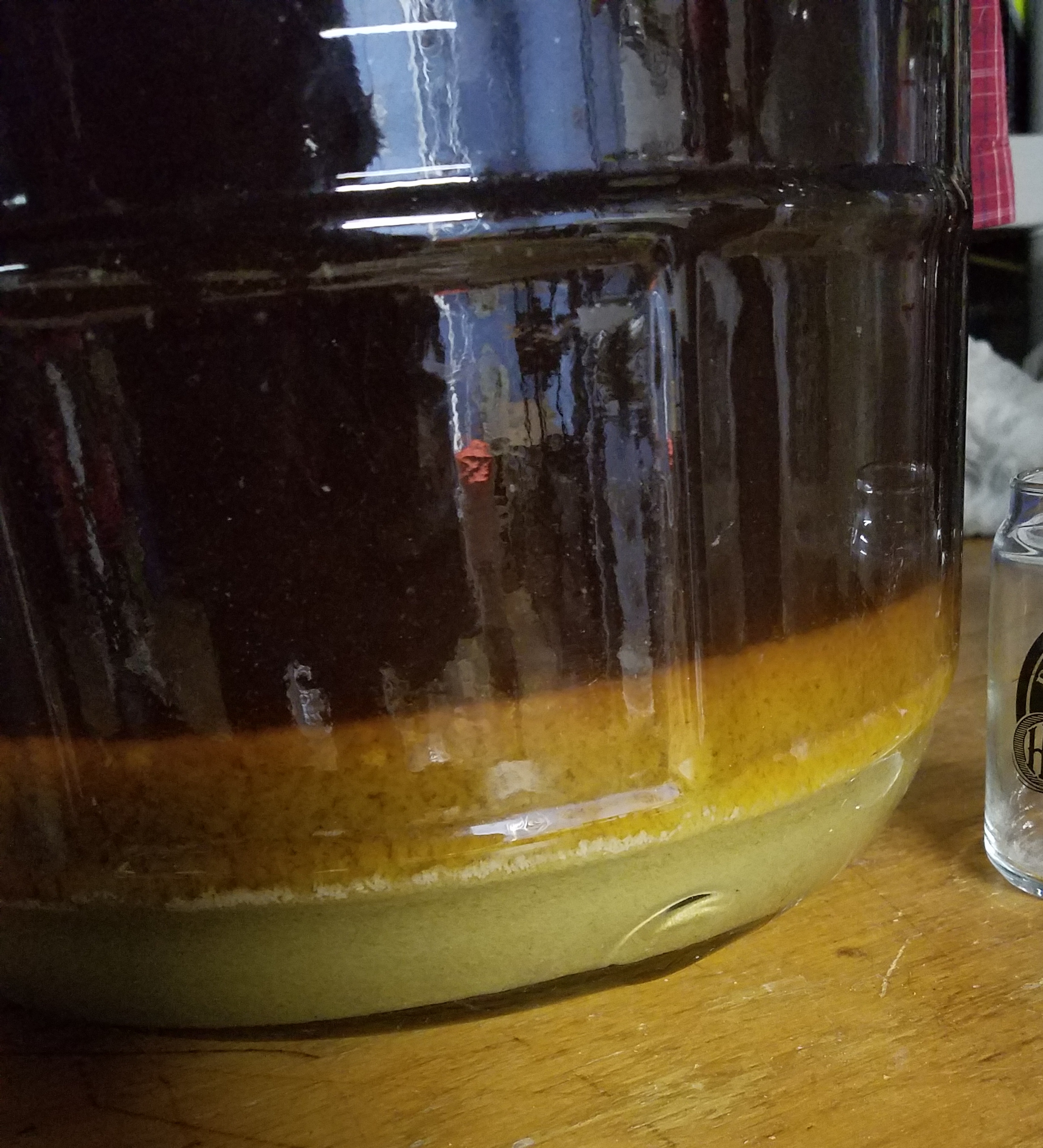
We had an OG at pitch of 1.052,, and I would expect the Notty to stop around 1.010. That would be around 5.5%, and perfect for what I’m looking for. 

Will be doing staggered nutrient additions, which for mead, especially cranberry, is really needed because the honey has nearly nothing. So I’m going to put in ½ teaspoon today. Stirring every day for 5 days but adding nutrient only every other day. This helps the yeast by releasing some C02 and getting that nutrient in.

This right now is some tasty stuff. Would be a good mixer for some vodka. I hope it holds some of this character when its finished. I guess we will see.

Big Brew Lager

This weekend the club brewed for Big Brew Day as usual,, except it wasn’t usual. Since everyone is still on lock down, we all brewed on camera. And it worked pretty good for us.

20200501_132542.jpg

Most people are getting used to doing things virtually, so it was pretty smooth.

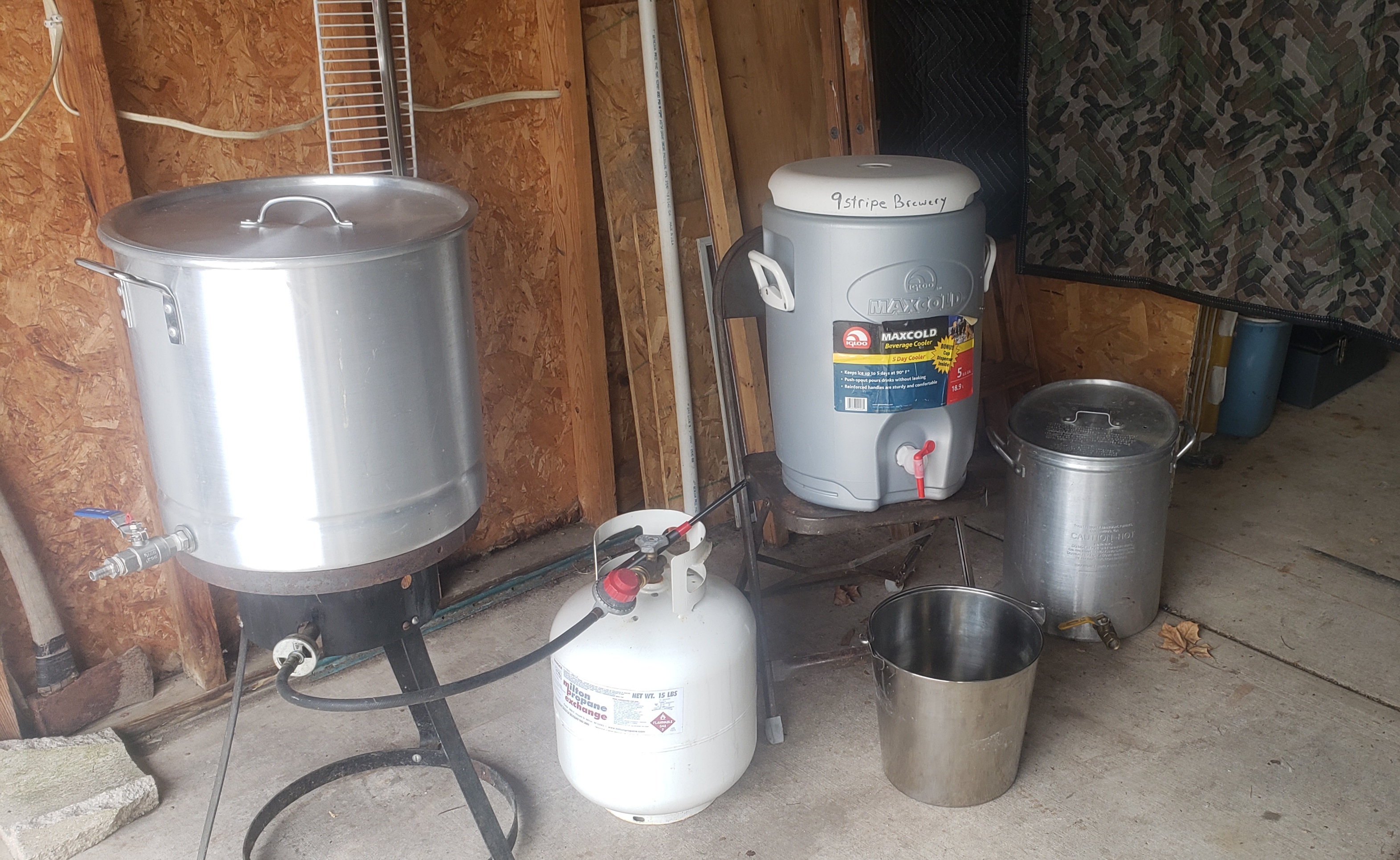
I decided that since it would be my first brew outside this year,, why not dig out the old original system.

Going back from the Mash and Boil was pretty jarring. Not that its any more difficult or anything, but the amount of things that need attention. I see I’m pretty spoiled now with things like the timer and temp control. There was no setting up early and having strike water ready.

But I really felt more in control of a brew than a normal M/B brew for some reason. And definitely have a clearer wort due to a better vorlaff.

As far as the brew goes, it was a run of the mill Mexilager Corona, or adjunct lager

Mexilager
6lbs 2row
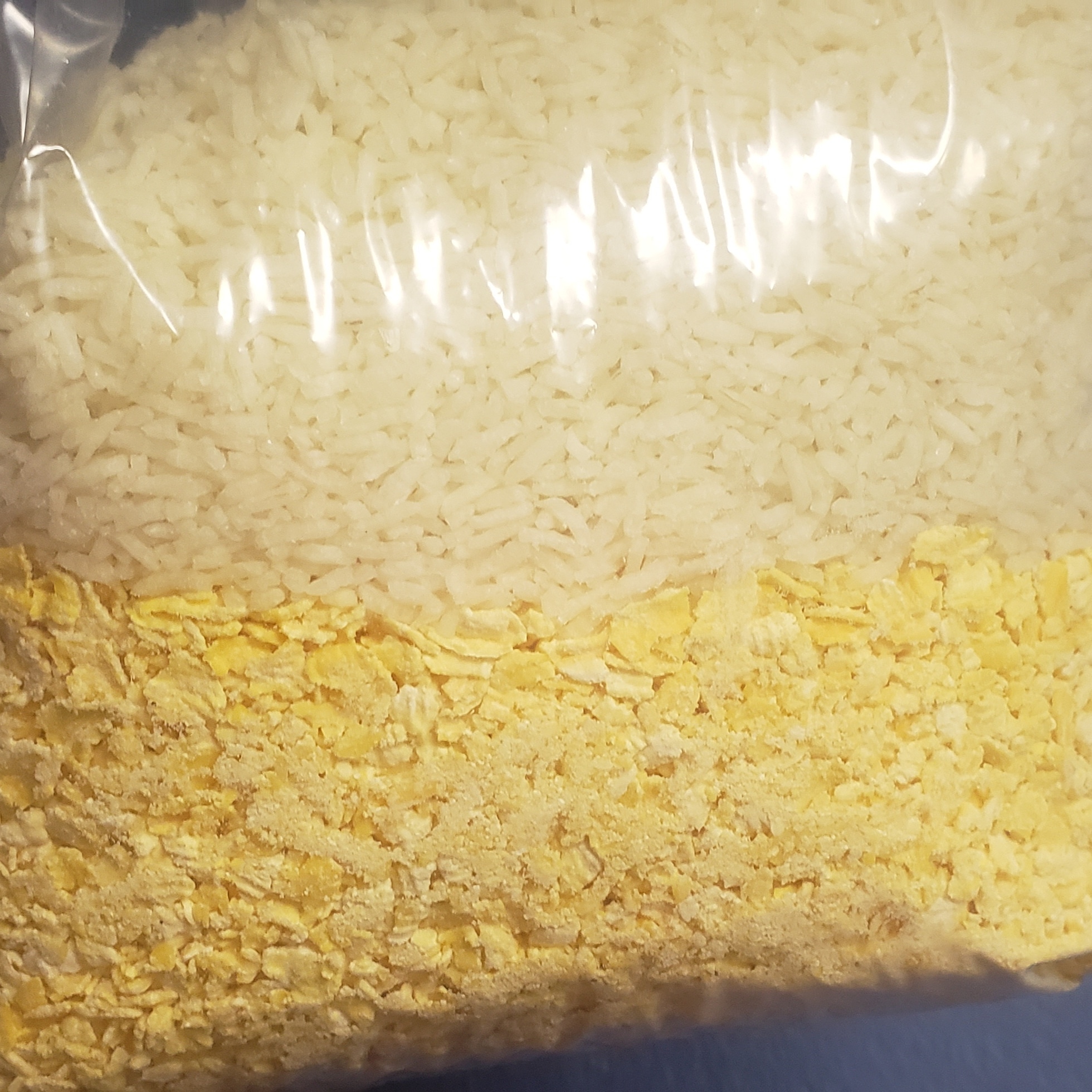
2lbs flaked corn
1lb flaked rice
1/2oz galena @60
1/2oz galena @15
34/70 yeast
Mashed at 152
And after not using that old system in about 3 years,, I was still able to hit all my numbers, and much more fun I think. Maybe I’ll leave the Mash and Boil downstairs for the summer.

Stretching ingredients

Even in the current crisis, us brewers are gonna brew. Or at least want to brew. Brew shops are busy, (if they are open) but I have just seen notifications from some manufacturers saying they will be shutting down for a while.

I don’t think it’s gonna be complete mayhem to the hobby, but a bit of long-range planning might be a good idea.

7ee2e-0925111013

There was a bit of talk about a hop “shortage” last year because of droughts, floods and fires. But those predicted shortages were mostly for specific varieties. So substituting might be in our future. Remember about 15 years ago during the last major hop shortage? Brewing didn’t stop. It just changed a little. So, yea, I’ll probably go back to brewing the Irish and other low hopped beers. Stretch out my supply a little.

But if there is a “good thing” this time around, it’s the fact that there are many times more varieties of high alpha hops around compared to the last time hops went scarce. Less overall volumes of hops needed to get IBUs up when you need a fix. Plus is far easier and cheaper now to find those pound bags.

Grain is easy to store, (pretty much what grain is meant to do… sit there and wait) a 50lb bag easily makes 8-9 batches of mid strength 4-5% beers. A few more if you throw some adjuncts in. Buying grain in bulk has always been the best way to go to save money. A clean cooler or a couple of buckets with lids is all you really need to store grain.

Yeast seems to be the one that is the most time sensitive… But it doesn’t have to be. Re-pitching is an option. Get your next batch ready to go the same day as you bottle or keg. After racking the first beer off the cake, use a scoop or two of it in the next batch or batches.

20180513_123605.jpg

A longer-term yeast option is “washing” it. (click here for a better look at it) After you rack the beer off the cake, you then take that yeast cake and separate the live yeast from the other gunk. That separated yeast can then be stored in the fridge for months. Several batches of yeast can be made from one cake. Just starter them up and pitch as normal.

Just a couple of ways to stretch your ingredients out a bit if things get a bit limited.

I’ll be posting some of my ingredient stretching brews soon.


Stay tuned.