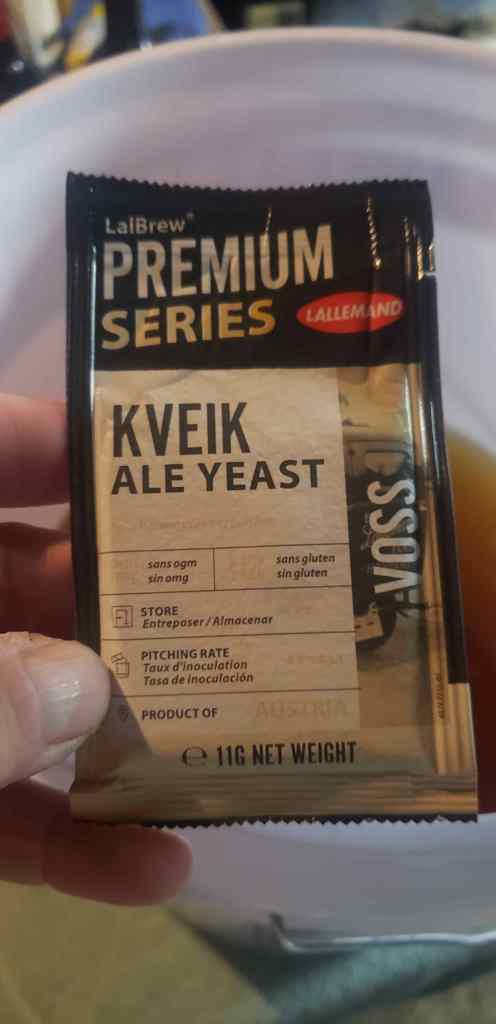
So I needed to brew something with Kviek yeast for a club monthly brew. I figured everyone was going to do some kind of beer. So I decided to do a cider.
The lhbs has a few choices in Kviek, but the dried Voss is one I didn’t use before.
Other than that, I’m just going to do as simple of a recipe that I can. 3 gallons Juice, 1 lb brown sugar and the Voss. Of course will be doing the nutrient program with it.
(yes this is juice)
Starting gravity was 1.070. but hopeful that I’ll be able to get this bottle primed for the August meeting. We will see!
Oh the changes IPAs have gone thru in such a short time. The difference between one today and one from 20 years ago is very different. There used to be a malt component to them. Hops, yes, but there was malt to give it a little balance.
This is not the case any more. There was an arms race in on the hop side that changed IPA, and left everything one sided. But I want those forgotten IPAs. So lets get one going that have the roots of the past versions, but with maybe a bit of newer.
As you can see this is really just a old recipe I had that I swapped a few things to make it feel a bit modern but keep the original body and malt tones.
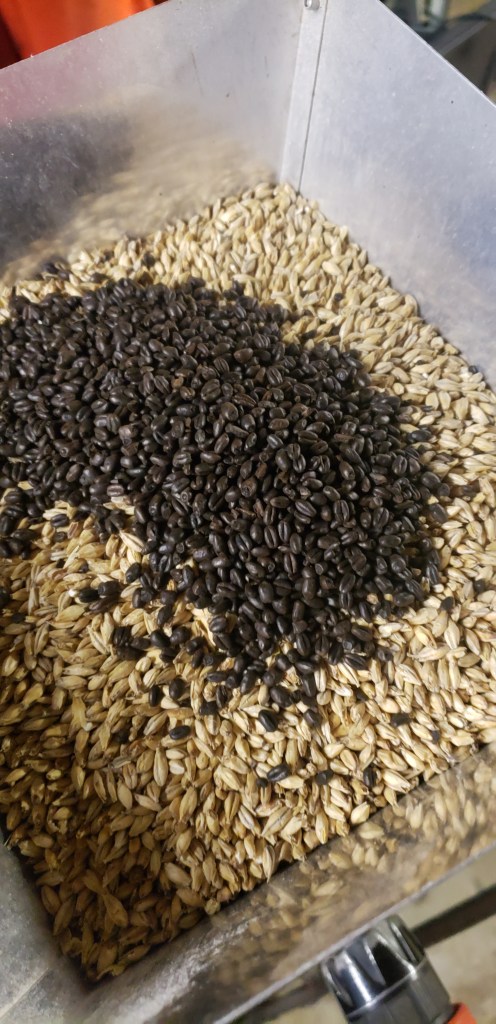
The bittering hop was Chinook and I changed to the Summit. So the IBU did go up a bit. And the Midnight Wheat used to be Black malt, so we won’t be getting and of the roast bleeding through.
And I will note that I did forget to adjust this recipe from my use of a mash tun to the Mash and Boil that I am using today,, so I am going to expect a bit less efficiency.
Normally I would be expecting around 1.060 for the OG using my tun. But pretty sure the MB will give me 1.054. I could easily add a bit more 2 row, but I probably won’t.
Next up going to be a saison. The snow shoveling months are coming so I will be needing an easy going beer, since all I seem to have right now are bigger ones.
I think all of us brewers have a favorite ingredient to use. A hop that you just love to use, or that goto yeast that you grab every time.
For favorite grain and yeast, my picks are pretty clear,, but I’m gonna save those for a later post. Today it’s the hops that I wanna look at.
But I can’t seem to narrow it down to one overall favorite hop. So I’m gonna cheat and do three hops. One for each region of beers I like best. An American Hop, a German hop, and what I’m going to use today, a British hop.
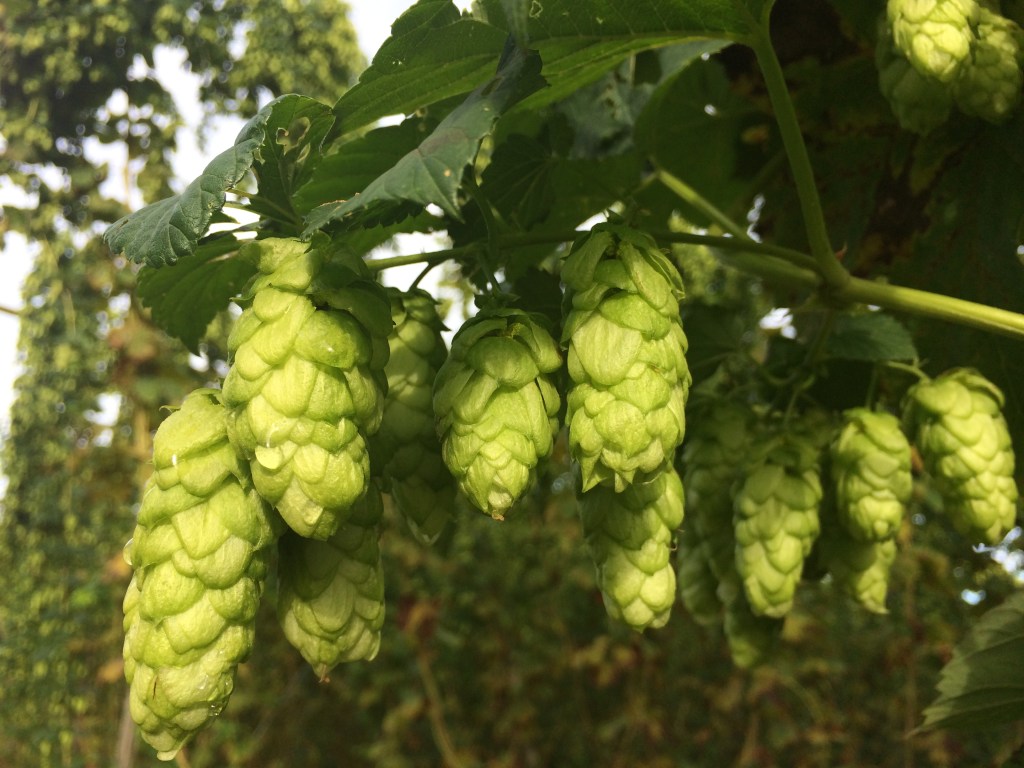
My pick for favorite British/UK style hop has got to be the Golding, or more specific, East Kent Golding to sound more snooty. The difference between the two really is negligible, and that gap widens and contracts each season or weather event.
UK Goldings are a big player in the UK beer styles. Much more in the late editions than say,,, Fuggles. Goldings have that earthy, noble hop characteristic that most people associate with the British style beers. I wouldn’t say pungent,, but there is something very faint like that going on. And they have a more rounded, or softer feel, in the bittering perception as compared with hops of similar Alpha acids.
I would say from my experience with them is that the Golding hop is a bit more pronounced in the earthyness and sometimes floral than your Fuggles, which can lean towards a citrusy note if used later in the boil. Those two flavor points play good together and thats why you see them used together so much, and could be why Fuggles is sometimes described as dirt, when it’s infact probably the Goldings that’s it’s often pared with.
The US variety on the other hand starts moving the profile slightly. Fruitier and scant traces of citrus start showing up more than the earthy tones. Side by side with the UK versions, they are different animals, almost like the before mentioned mix of Goldings and Fuggles.
As far as the numbers go, your looking at a average 4-5% alpha 3ish% beta. So not a super bittering hop, and staying close to the “noble ish” ratio.
I know a few brewers that grow them here in NE wisconsin and they have had widely varying luck. Some can get bushels of cones and 50 foot vines, while the next guy with roots taken from the same plants a few miles away can barely get them to grow.
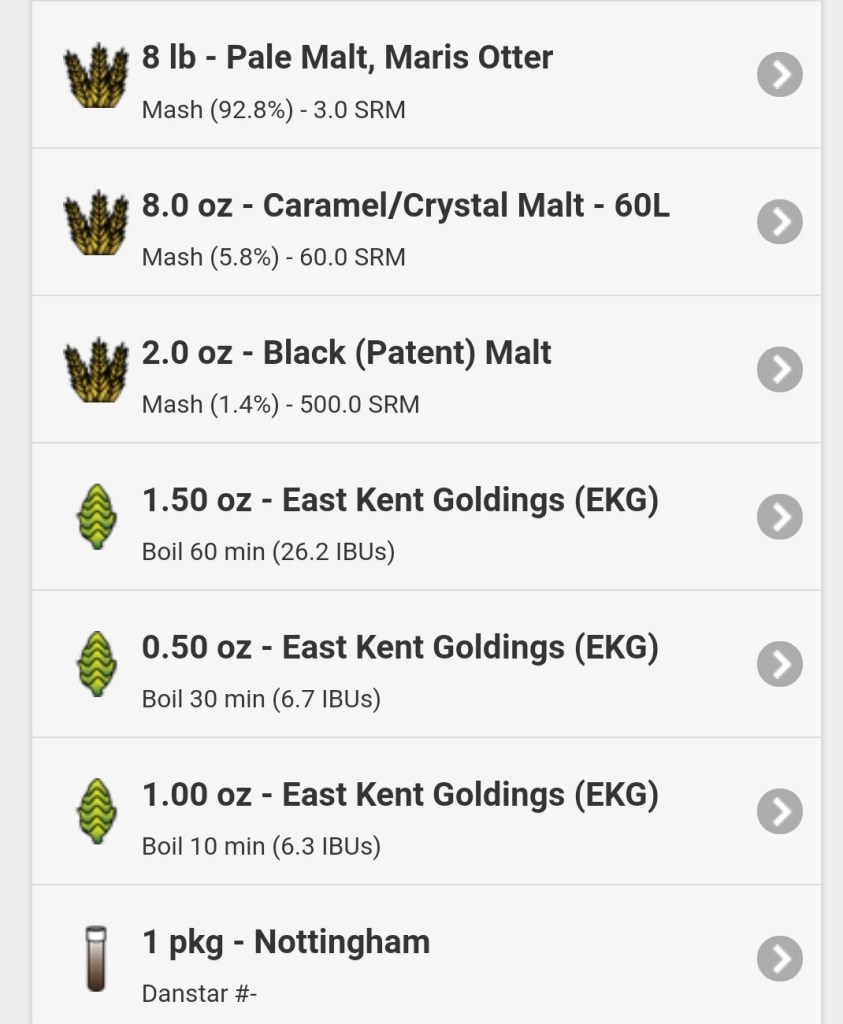
It’s really a standout taste and aroma profile. So give the a shot. Here is a proven 9stripe recipe to get ya going.