This past cider “brew” had some interesting numbers. And by interesting, I mean confusing. I can only tell you the observations and reactions of what I have taken notes and measurements on.
I think we have all made a basic cider at one time or another. Apple juice, some sugar and some yeast. And we got a basic thin, dry as a bone cider. Some people like that, some don’t. Those that don’t usually do one or both of two things to get a sweeter cider.
-back sweeten
-use beer yeast
Back sweetening is just purposely killing off the yeast in order to add a sugar to sweeten it back up without it refermenting. Or adding an unfermentable sugar like lactose or Stevia (both completely change the flavor of said cider)
But by using the beer yeast, the yeast stops early enough to keep the cider sweet and have some body. Plus beer yeast has multiple profiles of flavor and aroma esters that one can play with.
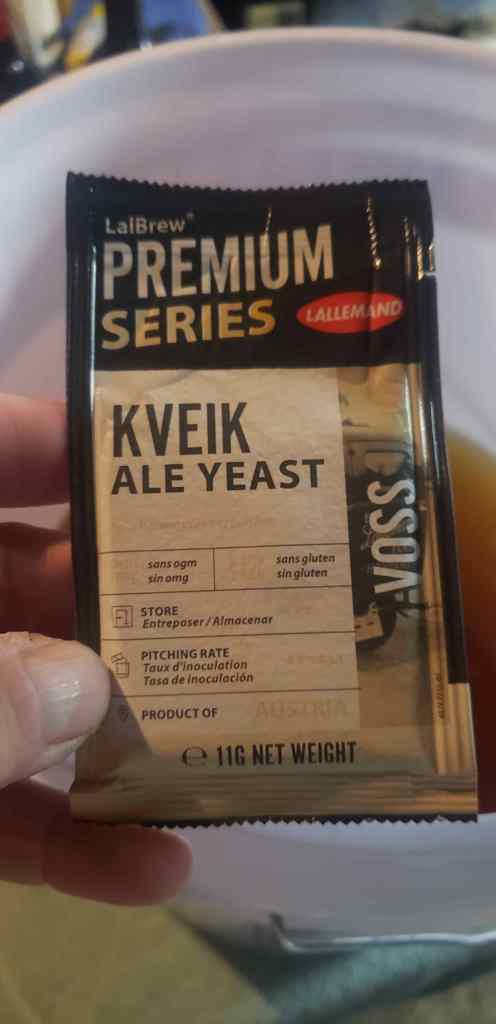
So this last cider that I did I used the dried Voss Kviek yeast. Its generally regarded as a beer yeast. And most of us by now have used a Kviek and see that it does perform just as other beer yeasts do, with predictable numbers and flavors but with bigger temp ranges.
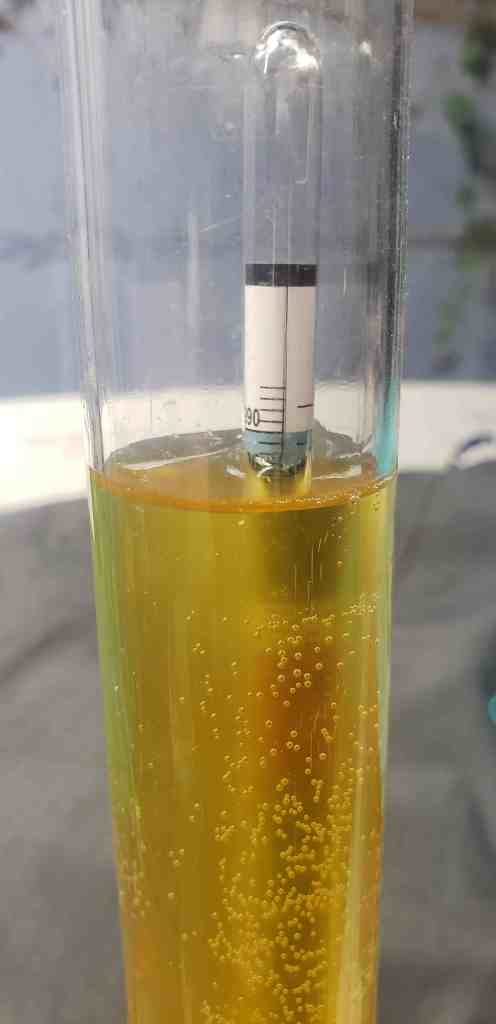
With the cider however we got something different. While the flavors were what we expected for the temp range that I used (60F which Voss Kviek gives stonefruit.. Peach, nectarine plum…) the final gravity was down to 0.996. Nothing like what a beer yeast would do. And thats intriguing for all kinds of reasons.
But first, let’s run through some of the numbers that different yeasts have done for me through the past 10 years or so. These will look very familiar to you.
Beer numbers
Nottingham: 1046-1010, 1050-1010, 1066-1012
US05: 1056-1008, 1066-1008
US04: 1058-1010, 1042-1008
Voss Kviek: 1052-1008, 1040-1008
Cider numbers
Nottingham: 1062-1010, 1070-1012
US05: 1060-1008
US04: 1080-1014
Voss Kviek: 1070-0.996
Note: Here is one of the problems I have here today. While I have made plenty of ciders with several different types of yeast for decades, I don’t have much for actual written numbers from long ago as I was more concerned with the beer side, and the cider numbers were reliable enough they didn’t warrant keeping track. Not until about 12 years ago when I started this blog did I start to jot down cider numbers. And even then just sporadically. Sure I took the measurements to see whats going on, but they were so reliable time after time that I just stopped writing them down. And only recently started with the Kviek so do not have a ton of available personal numbers.
As you can see, I fully expected to see similar cider numbers from the Kviek because they were producing similar numbers as the beer yeasts when used in beer. But I’m still trying to figure out why they didn’t carry over to cider.
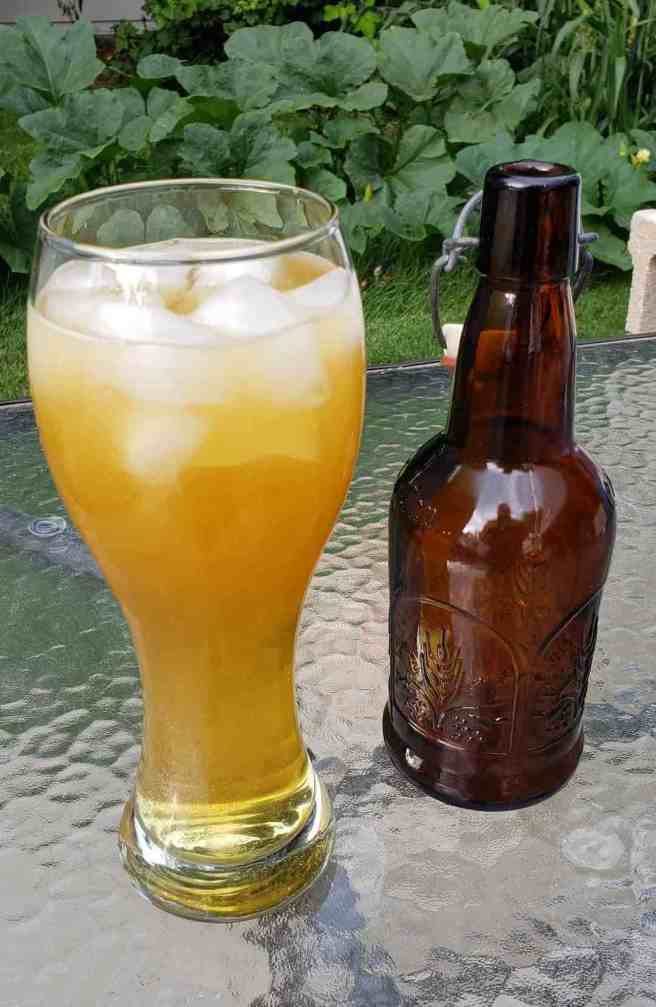
The cider is the simple version of just the juice, a bit of sugar and yeast and is perfectly on par with the taste of a beer yeast cider. There’s the apple of course, and the Kviek added the peach. No off flavors or flaws, clear. A great cider. Just 10% and drier as compared to the expected 7ish% and sweeter
But why does it act so differently in a cider than in a beer?
With a quick look at these numbers, some would say its because there are all those unfermentables in the beer.
While this is true, it cannot be the only reason the yeast stops working when it does because the beer yeasts are pulling the same-ish numbers in the cider that doesn’t have those unfermentables, and it’s being force fed nutrients to keep them going but they still stop as predicted. Plus we would see much lower numbers if the Kviek was munching on something else in the beer that regular yeast does not.
Can’t be the abv. We have a smear of range here and they act the same, plus we know that ones I have listed can go much higher in abv and still follow predicted numbers with little or no help.
Ph? I didn’t measure, and it could be a possibility. But I would expect to see this reflected somehow in the Kviek beer numbers. Plus I think the sour people would have latched on to this by now.
I’m still not sure why Kviek seems to act differently in a cider environment than it does in beer. But It’s good to know that it does, so one can plan around it, and plan other things,, like wine?
If I am missing something obvious here, let me know. Until then I’m going to use what I have seen to my advantage.