Kveik and more Kveik

Back in the first week of June we were getting set to have the first of the summer heat stretches. It was looking like 90s for a week. And that means that my garage would then be the perfect place to brew a Kveik yeast beer.
Last summer I did my first Kviek brew in the garage. and it turned out to be great! So I knew I had to make the most of this heat wave.
Thought that maybe a bit maltier beer may show off the Kviek a bit better, so we went with a Vienna Lager type recipe.

  • 5lbs DArk munich
  • 4 lbs 2row
  • 1 oz saaz at 60
  • 1/2 oz saas at 15
  • 1/2 oz saaz at flame out.
  • Voss Kviek — mashed the grains at 152

So the Kviek kveiked great. and as last time with it, there is about double the yeast sludge as regular yeasts. So I wanted to save some. And I remember reading some where that the old Norwegians would dry the yeast on wood planks to repitch later….

I didnt have any planks ready to go when I thought of this, so I went out and clipped off a cedar branch.
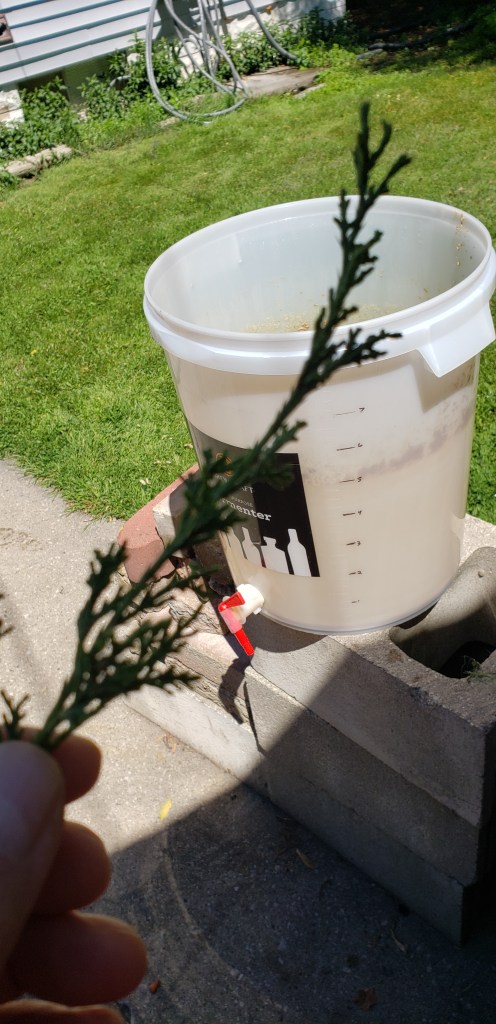
slopped it in the sludge

and let it dry in my hot garage.

For over a month of 100+ degrees of heat.

Then just dropped it into the next batch.
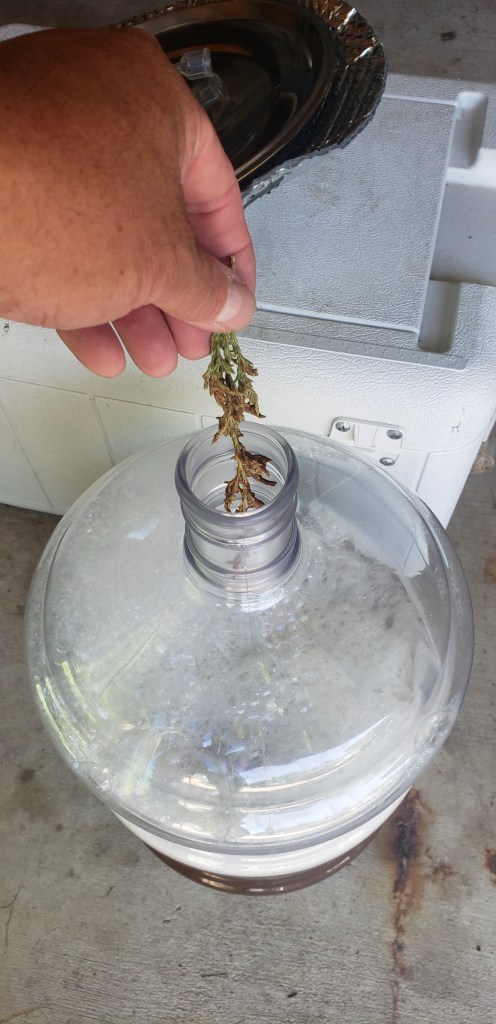
20200703_125929.jpg

It did have a day lag, but there was activity around the branch. Kinda like an alka seltzer tab. I think it was the yeast rehydrating and starting to work, because less than 5 hours after I looked at it, it was in FULL ON ferment. at 90 degrees.

The original batch with a full pack of yeast took almost 4 days to complete, and a week to clear (as much as Kveik clears anyway). This batch with just that sticks worth was pitched, fermented full and cleared in only 3 days and we were kegged and drinking it in 7 days from pitch. But I guess this yeast does work better when under pitched.

After tasting it now for a few weeks, I really have to say that the second stick pitched beer is cleaner and less yeasty tasting.

Now since I have done this, I see there are all a bunch of articles on drying an freezing this yeast, so it was a good idea after all.

I think after now doing 3 batches with Kveik, that I am ready to start incorporating it into more of the summer beers. There are more strains coming out,, so will b trying those too,, as long as the garage stays hot.
Stretching ingredients

Even in the current crisis, us brewers are gonna brew. Or at least want to brew. Brew shops are busy, (if they are open) but I have just seen notifications from some manufacturers saying they will be shutting down for a while.

I don’t think it’s gonna be complete mayhem to the hobby, but a bit of long-range planning might be a good idea.

7ee2e-0925111013

There was a bit of talk about a hop “shortage” last year because of droughts, floods and fires. But those predicted shortages were mostly for specific varieties. So substituting might be in our future. Remember about 15 years ago during the last major hop shortage? Brewing didn’t stop. It just changed a little. So, yea, I’ll probably go back to brewing the Irish and other low hopped beers. Stretch out my supply a little.

But if there is a “good thing” this time around, it’s the fact that there are many times more varieties of high alpha hops around compared to the last time hops went scarce. Less overall volumes of hops needed to get IBUs up when you need a fix. Plus is far easier and cheaper now to find those pound bags.

Grain is easy to store, (pretty much what grain is meant to do… sit there and wait) a 50lb bag easily makes 8-9 batches of mid strength 4-5% beers. A few more if you throw some adjuncts in. Buying grain in bulk has always been the best way to go to save money. A clean cooler or a couple of buckets with lids is all you really need to store grain.

Yeast seems to be the one that is the most time sensitive… But it doesn’t have to be. Re-pitching is an option. Get your next batch ready to go the same day as you bottle or keg. After racking the first beer off the cake, use a scoop or two of it in the next batch or batches.

20180513_123605.jpg

A longer-term yeast option is “washing” it. (click here for a better look at it) After you rack the beer off the cake, you then take that yeast cake and separate the live yeast from the other gunk. That separated yeast can then be stored in the fridge for months. Several batches of yeast can be made from one cake. Just starter them up and pitch as normal.

Just a couple of ways to stretch your ingredients out a bit if things get a bit limited.

I’ll be posting some of my ingredient stretching brews soon.


Stay tuned.

The Dirty Yeast

Took advantage of the weird winter warm up here in Green Bay. This time of year my basement is usually around 45F. Which is a bit too cold for a good lager ferment. But this winter it’s been sitting at 52. Perfect.

So, from a followers suggestion I brewed up a Kolsch. It was a good choice for a couple reasons. First was the temps. I could still brew while my heat box was full. Second because I am currently on a SmasH beer kick and third because I can use this beer for the Germanfest contest in Milwaukee.

Very simple recipe here.

  • 8lbs pilsner
  • 1oz Mt Hood
  • S-33 yeast

I have used the S-33 yeast before, but do not remember it being as “dirty” as this.

This is over week later after pitch. But I’m not worried about it at all. I’ve seen much much dirtier looking yeast. (Like the Kveik. That looked like I fermented a mud wrestling pit)

It will clear. You can tell from the second pic that it already is. Look at the bottom half compared to the top half. I will give it a 2 more weeks to drop and then get it moved to keg. Once in keg it’s easier to move to warm and back to the fridge to condition.

Next week I will be doing a some work on the wine side of things. And maybe another Mead?? I dunno.

Stay tuned.